The Wealthiest Cities in the U.S. in 2025
Wealth in the U.S. is not spread evenly, and in 2025, that gap is especially clear at the city level. A small group of cities continues to attract money, talent, and investment, even as others face rising costs and slowing growth. Strong local industries, high-value real estate, and policies that favor business all play a role. Together, they help explain why these places remain the country’s strongest centers of wealth this year.
New York City, New York
Credit: Getty Images
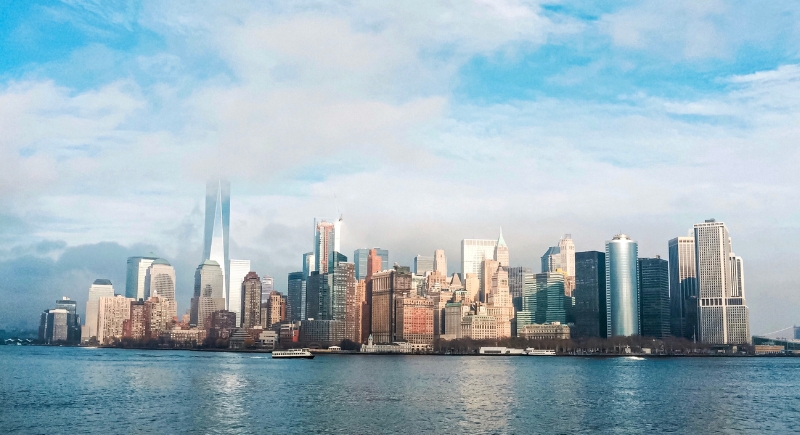
No city rivals New York’s concentration of money. Finance still anchors the economy, but real estate now signals just as much power as Wall Street itself. Tribeca condos and the towers of Billionaires’ Row reflect how wealth reshapes space as much as balance sheets. With 384,500 millionaires, New York remains the country’s most money-dense city, and nothing suggests that lead is narrowing.
San Francisco Bay Area, California
Credit: Getty Images
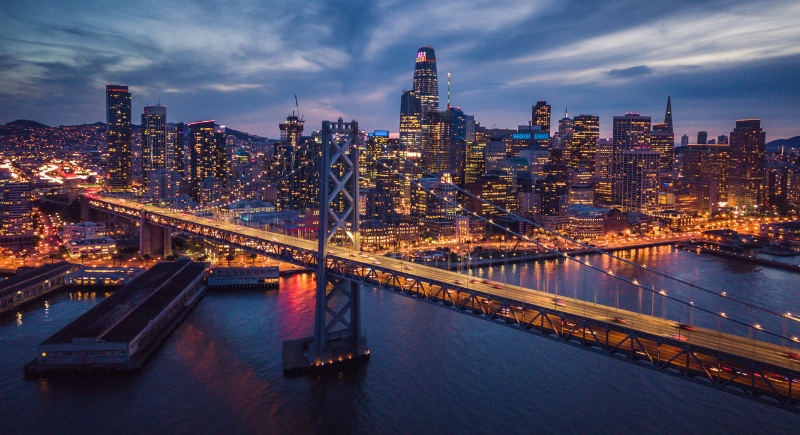
The Bay Area’s 342,400 millionaires reflect decades of technology-driven growth. Software, platforms, and data have replaced oil fields as engines of fortune. Neighborhoods like Atherton now command home prices that rival corporate budgets, shaped largely by the influence of companies such as Apple, Google, and Meta. Innovation remains the region’s defining trait, and wealth tends to follow it quickly.
Los Angeles, California
Credit: Getty Images
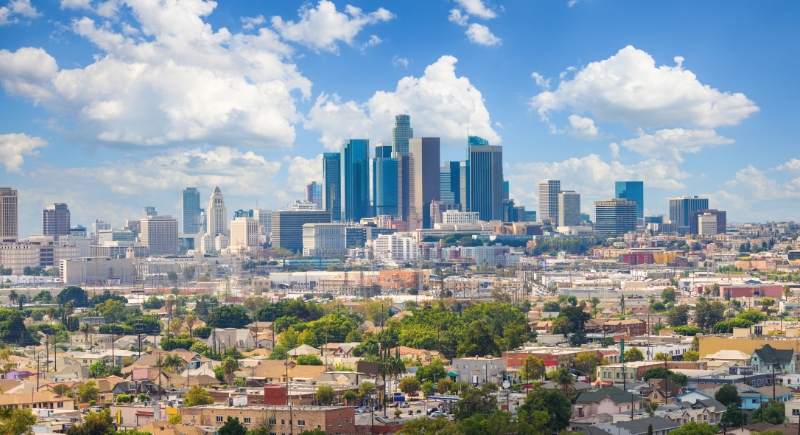
Los Angeles no longer depends on entertainment alone to explain its wealth. Real estate, technology, and international capital now drive much of the city’s money. Malibu and Beverly Hills reflect that shift clearly. Altogether, LA is home to 220,600 millionaires, spread across industries that extend well beyond Hollywood.
Chicago, Illinois
Credit: Getty Images
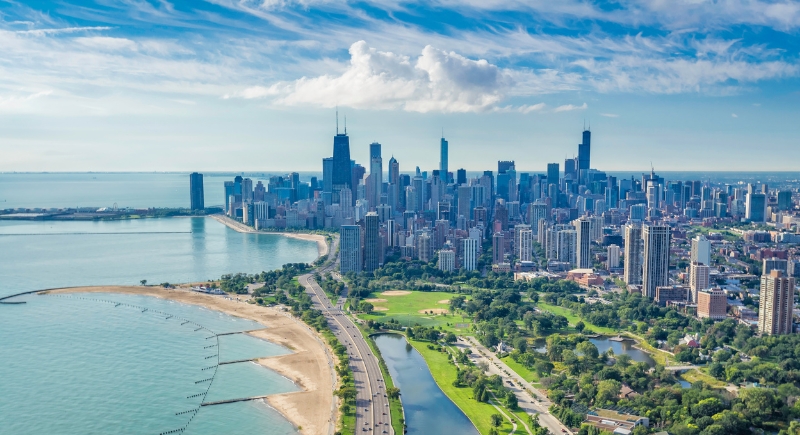
Chicago’s 127,100 millionaires anchor the Midwest’s strongest wealth center. Finance, logistics, and corporate headquarters continue to support high incomes, while long-standing neighborhoods like the Gold Coast carry traces of older money. Along Michigan Avenue, newer high-rises add a modern layer to a city that balances tradition with scale.
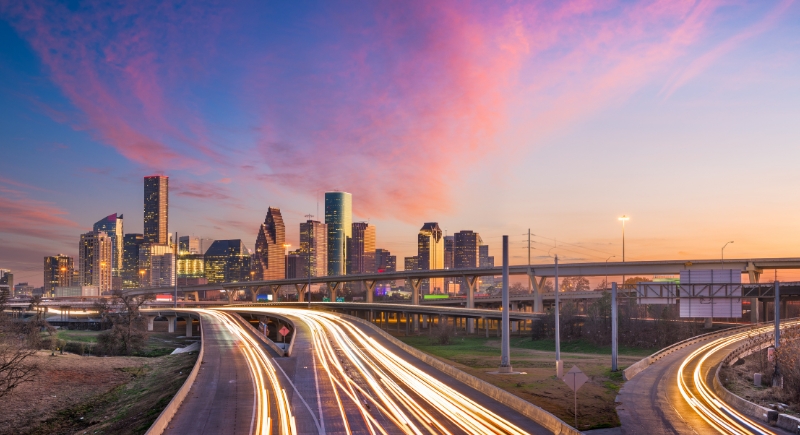
Houston, Texas
Credit: Getty Images
Houston’s wealth story began with oil, but it no longer ends there. The city, with 81,800 millionaires, now draws strength from healthcare, aerospace, technology, and energy. Large estates in areas like River Oaks reflect a distinct relationship to space compared to coastal cities, and the absence of state income tax remains a significant draw for high earners.
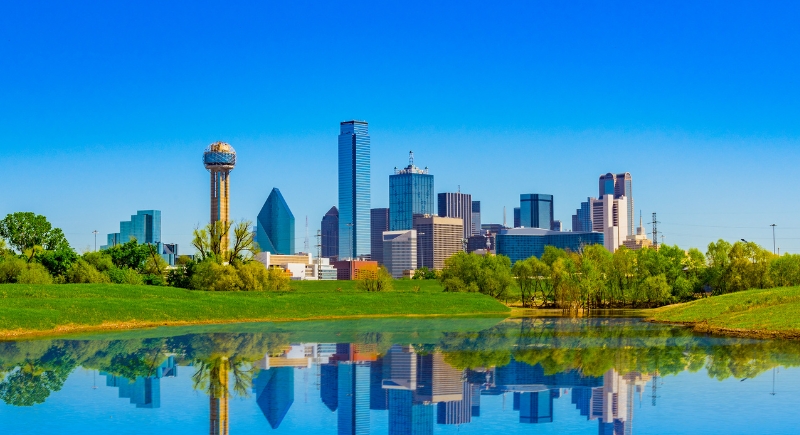
Dallas, Texas
Credit: Getty Images
Growth defines Dallas more than legacy. The city keeps attracting business relocations, real estate investment, and tech expansion. Highland Park remains a visible symbol of that prosperity. The result is a rising population of 72,400 millionaires, tied closely to the city’s business-friendly reputation.
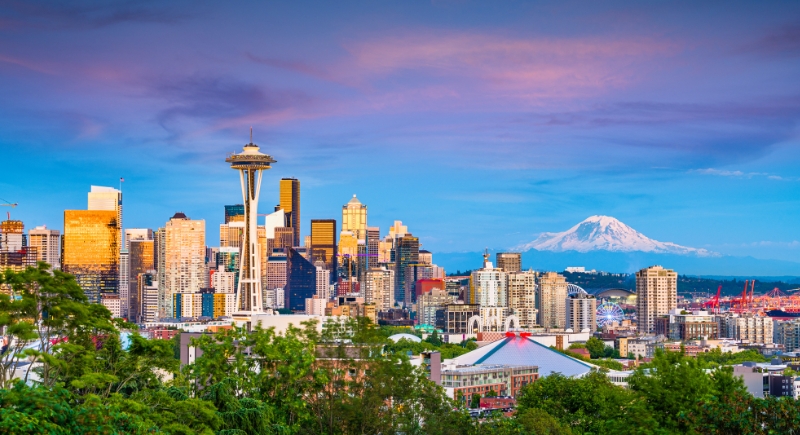
Seattle, Washington
Credit: Getty Images
Seattle’s economy runs on infrastructure most people never see. Cloud services, logistics systems, and aerospace manufacturing quietly support enormous wealth. Neighborhoods like Medina and Queen Anne reflect that success through homes priced well into eight figures. The city supports 53,100 millionaires, and its total private wealth is estimated at $800 billion.
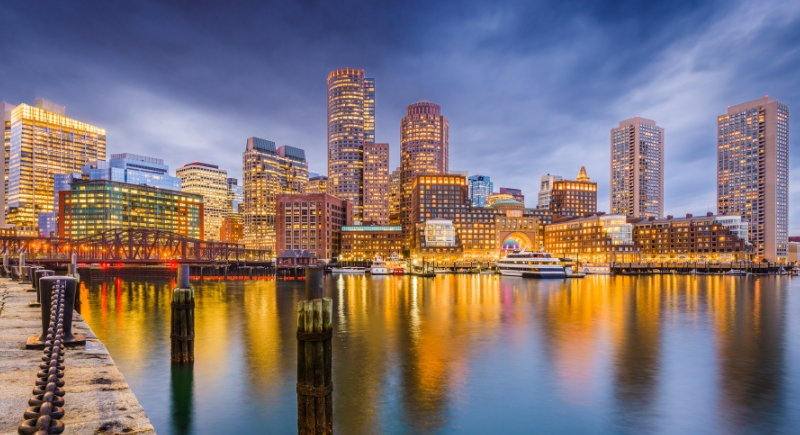
Boston, Massachusetts
Credit: Getty Images
Boston blends research, education, and finance into a steady engine of wealth. The city’s 45,000 millionaires often have ties to institutions like Harvard and MIT, as well as biotech and investment firms. Historic streets in Beacon Hill stand near modern glass towers, reflecting how old institutions and new capital continue to coexist.
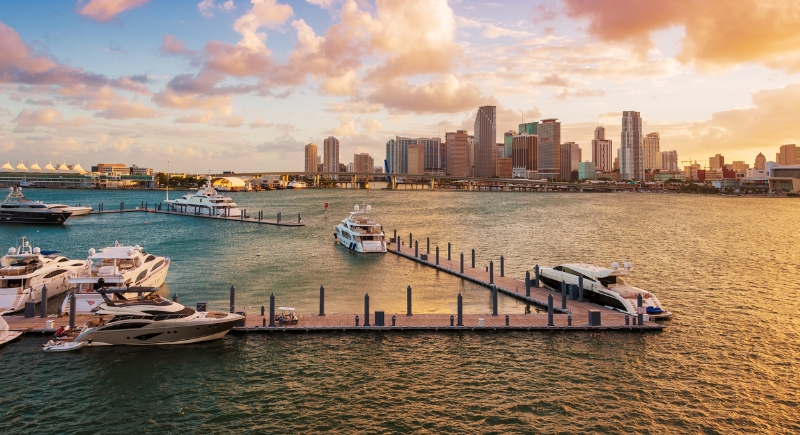
Miami, Florida
Credit: Getty Images
Miami is quickly becoming the ultimate haven for high-net-worth individuals, with 38,800 millionaires and counting. From its luxurious real estate in Coral Gables and Fisher Island to its attractive tax policies, Miami is the go-to city for those looking for both sunshine and a solid financial future. With oceanfront estates hitting the $15 million mark, who could resist?
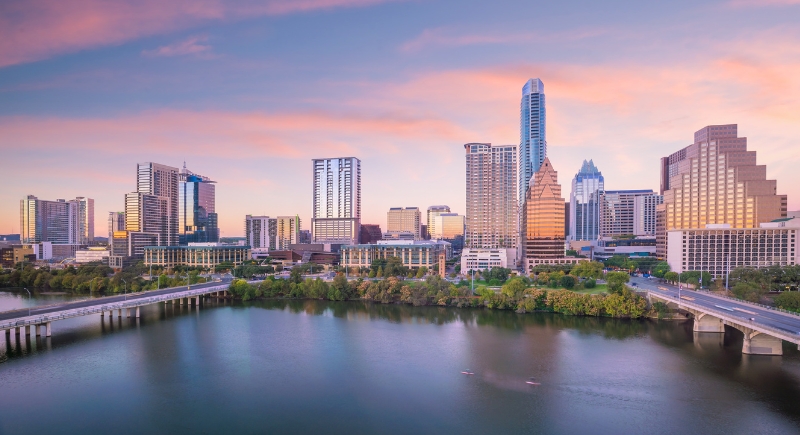
Austin, Texas
Credit: f11photo
Austin’s transformation has been rapid. Once known mainly for culture and education, it has become a tech-driven growth center. Luxury housing has expanded alongside startups and investment capital. That shift has brought the city to 32,000 millionaires, reflecting how quickly wealth can follow industry.
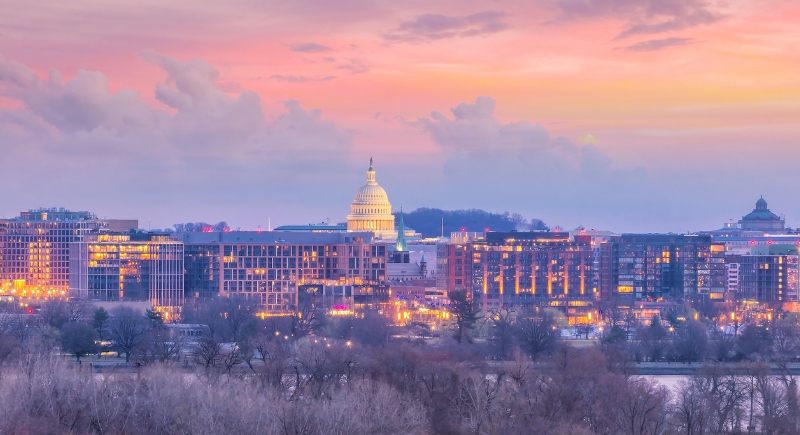
Washington D.C.
Credit: Getty Images
Wealth in Washington, D.C. comes from proximity to institutions rather than production. Government contracting, law, and consulting dominate high-income work. Neighborhoods like Georgetown and Kalorama reflect that concentration of influence. The city supports 28,900 millionaires, many tied directly to policy and power.
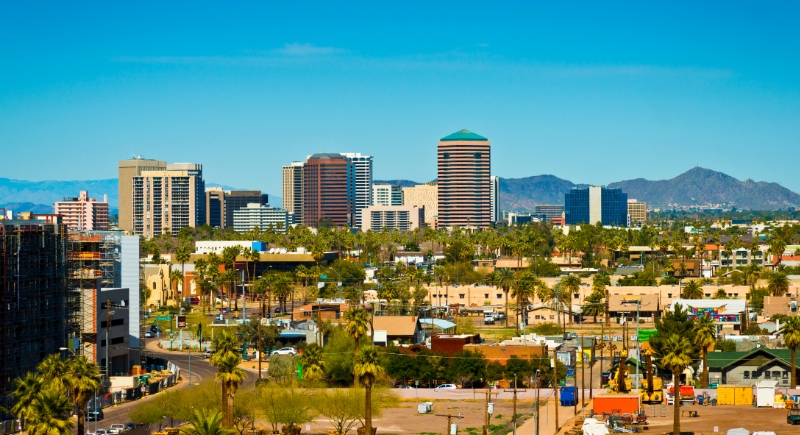
Scottsdale, Arizona
Credit: Getty Images
Scottsdale’s growth signals a shift in where wealth settles later in life. Resorts, golf communities, and favorable tax conditions have drawn affluent residents steadily. The city has seen a 125 percent increase in millionaire residents, particularly around Paradise Valley.
West Palm Beach, Florida
Credit: Getty Images
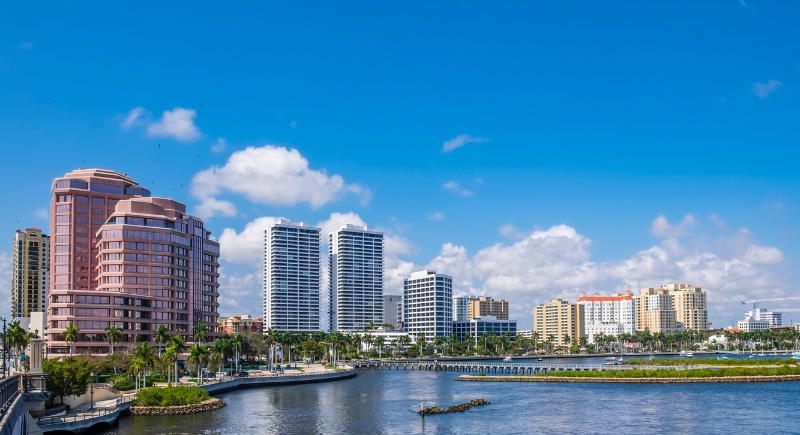
Wealth in West Palm Beach has increased by 112% over the past decade, with 38,800 millionaires soaking in the coastal breezes. Its proximity to Palm Beach, where mansions regularly exceed $50 million, has only boosted its profile.
Naples, Florida
Credit: Getty Images
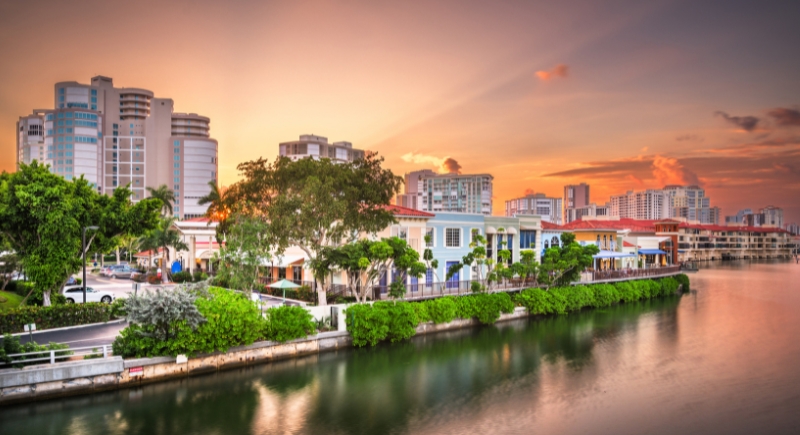
Naples is famous for having some of the most sought-after second homes for ultra-high-net-worth individuals. With 95% of its luxury homes serving as second residences, this city is the go-to destination for those seeking a quiet, luxurious retreat. Think sprawling estates and serene waterfront properties: Naples is a wealthy paradise in the Sunshine State.
Aspen, Colorado
Credit: Getty Images
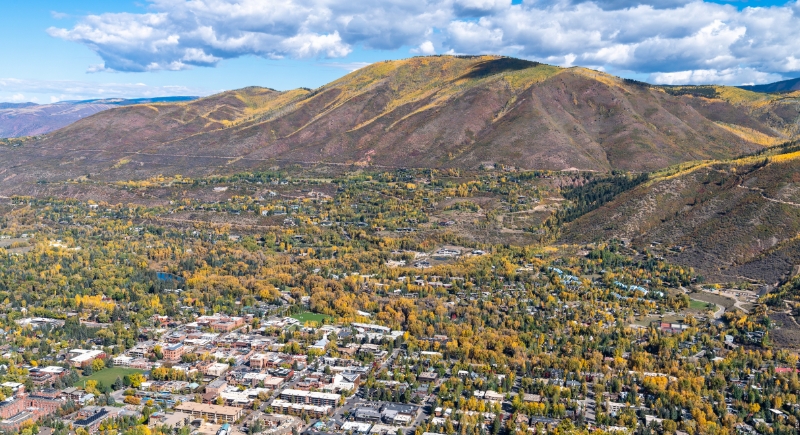
Aspen’s scale hides its density of wealth. CEOs and celebrities dominate the luxury housing market, often purchasing second homes. With one ultra-high-net-worth individual for every 77 residents, Aspen ranks among the most concentrated wealth centers in the country despite its small size.