Car Safety Features That Are Required in Europe But Not America
Automotive safety rules shape how cars protect people on the road, and those rules differ sharply between regions. The European Union has moved toward broader and stricter standards to protect drivers, passengers, and people outside the vehicle.
However, many of those protections remain optional in the United States. This gap affects how cars get designed, tested, and rated in each market.
Driver Distraction Warning

Credit: Africa Images
Cars in Europe must soon include systems that detect when a driver’s attention slips. This technology monitors eye movement and head position to catch signs of distraction or fatigue. Consequently, a warning pops up when the driver appears to lose focus. The United States doesn’t mandate anything similar, which leaves this feature in the luxury or high-tech category.
Alcohol Interlock Compatibility

Credit: Getty Images
To support enforcement against repeat DUI offenses, Europe now requires all new cars to be built with alcohol interlock compatibility. This regulation, in effect since 2024, ensures vehicles can easily accommodate breathalyzer systems when needed. The rule doesn’t mandate breathalyzers in every car but makes installation straightforward.
Automatic Emergency Braking
Credit: Canva
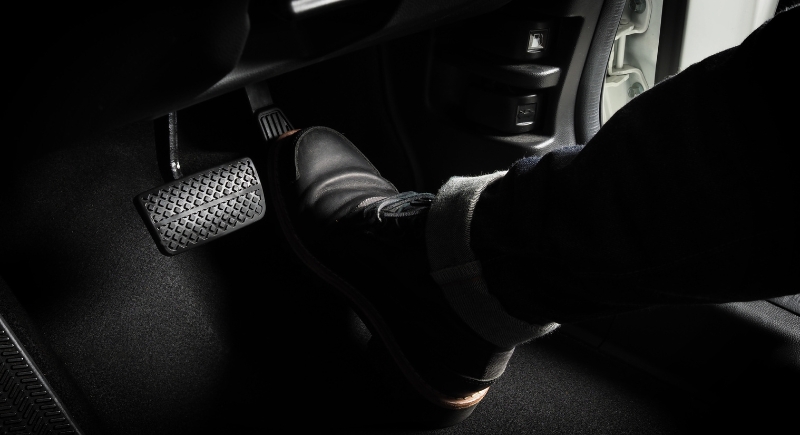
You will see automatic emergency braking (AEB) in many U.S. vehicles, but it’s only needed to sense other cars, never pedestrians or cyclists. A federal rule covering vehicle-to-vehicle detection takes effect in 2029. Europe already mandates broader AEB systems that respond to people, not just traffic.
Rear Seatbelt Reminders
Credit: Canva
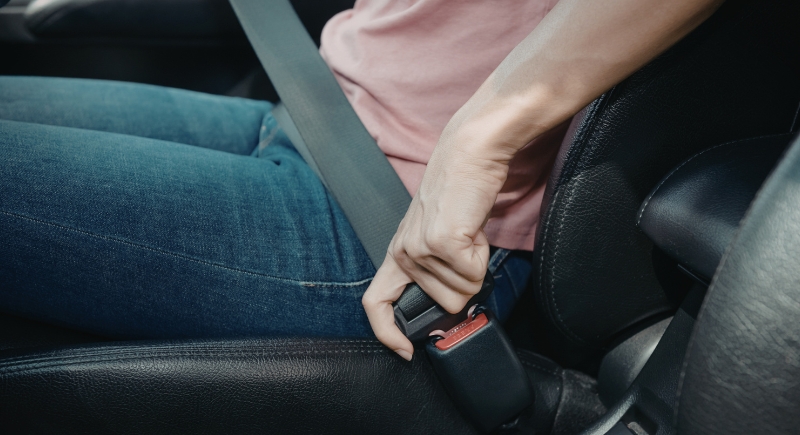
Starting in 2021, all new European cars have to alert drivers when back seat passengers aren’t buckled up. A chime and dashboard warning appear if someone skips the belt. The U.S. has approved a similar rule, but it won’t take effect until 2027. For now, rear reminders are left to the automakers.
Intelligent Speed Assistance

Credit: Getty Images
This system uses GPS and road sign recognition to monitor local speed limits. When drivers go too fast, it warns them or cuts engine power. In 2024, Intelligent Speed Assistance became a necessary feature on new cars. Meanwhile, American drivers still rely on dashboard speedometers and enforcement.
Pedestrian Impact Standards

Credit: Getty Images
Crash testing includes pedestrian impact assessments as part of vehicle design requirements. Automakers are to build softer hoods, energy-absorbing bumpers, and front-end structures that reduce injury during a collision with a person. These standards apply to head and leg protection and have been phased in since 2005.
Convex Side Mirrors

Credit: Getty Images
If you ever take a car out in the U.S., you will notice convex mirrors on the passenger side of most automobiles, but the driver’s side remains flat due to federal regulations. That limits visibility and increases blind spots, especially during lane changes. On the other hand, both side mirrors are often convex in vehicles in Europe, which gives drivers a wider field of view and better awareness of adjacent vehicles.
Lane Departure Warning
Credit: Canva
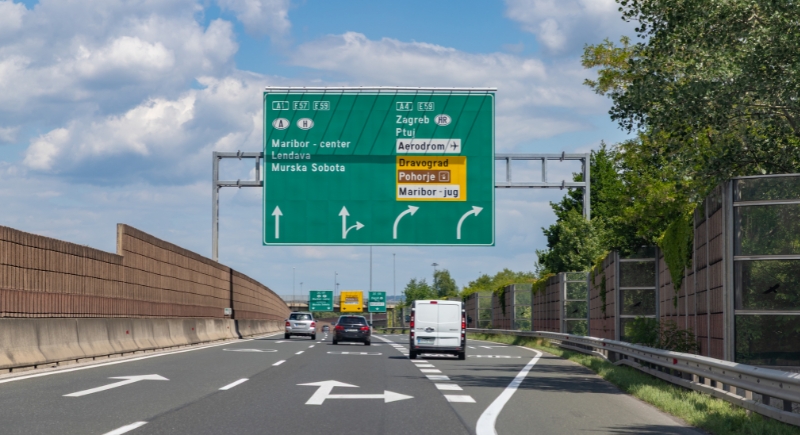
Trucks and buses in Europe must include systems that point out when a vehicle drifts out of its lane. These lane departure warning systems have been mandatory on heavy vehicles since 2015. On the other hand, some freight companies install the systems voluntarily in the United States, especially in newer fleets, but adoption varies widely.
Side Underrun Protection
Credit: Canva
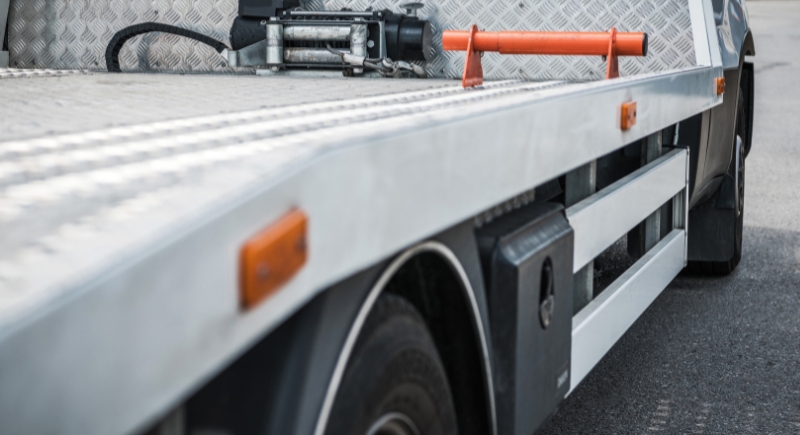
For those walking or biking near heavy trucks, side underrun protection became a legal standard in Europe starting in the early 1990s. These metal guards run along the sides of trucks and trailers to stop people from being pulled underneath during a collision. The rule responded to a surge in urban crash fatalities involving vulnerable road users.
eCall Emergency System

Credit: Canva
After a serious crash, many U.S. cars rely on optional subscription services to contact emergency responders, if those services are active. That means help might not arrive quickly if a driver can’t call for it. In contrast, Europe requires all new cars to include eCall, a built-in system that automatically alerts emergency services and shares the vehicle’s location.