The Most Expensive Financial Mistakes Don’t Look Like Mistakes
The most expensive financial mistakes often come from locking in decisions too early and mistaking stability for freedom. Over time, they limit choices rather than destroy wealth outright. This article lists 10 common examples of decisions that seem sensible early but end up expensive later, especially for people doing well on paper.
Lifestyle Creep That Feels Earned

Credit: Canva
Higher income often leads to higher spending, even among people who consider themselves disciplined. A 2025 Harris Poll found that about 33% of Americans earning six figures still experienced financial distress. The spending usually starts small, like upgrading housing or cars, and grows as new expenses become permanent. The problem is not the upgrade itself, but how quickly fixed costs expand alongside income.
Confusing Salary With Wealth

Credit: Canva
Money experts regularly point out that income does not equal net worth. Net worth is calculated by subtracting liabilities from assets, which means debt-heavy households can earn a lot and still build little wealth. Interest payments divert income away from long-term growth.
Spending Money That Has Not Arrived

Credit: Africa Images
Anticipated bonuses and raises are often spent before they hit a bank account. Large purchases, such as new vehicles, are frequently justified by income projections rather than current cash. When layoffs happen or bonuses disappear, those commitments remain. That’s when optimism becomes long-term debt.
Financial Structures That Are Hard to Exit

Credit: Getty Images
Founders who experience liquidity events often spread assets across trusts, entities, and long-term vehicles meant to reduce risk. Each structure serves a clear purpose, but together they can make accessing capital slow and expensive. Over time, tax consequences and legal friction transform flexibility into a luxury.
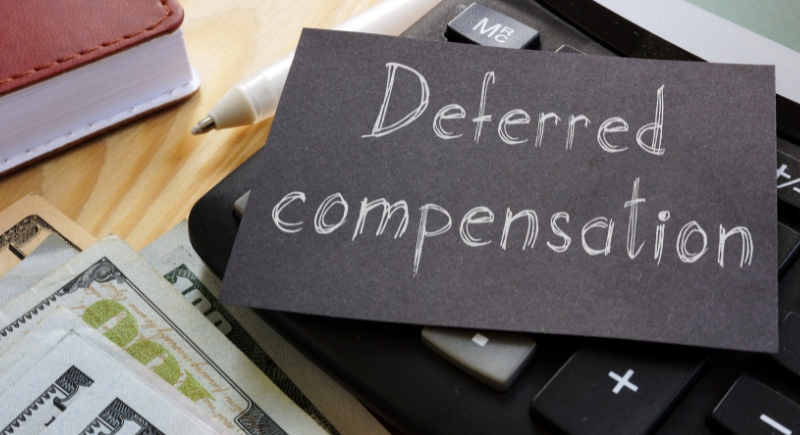
Deferred Compensation That Limits Choice
Credit: Getty Images
Senior executives often accumulate deferred compensation and equity plans that reward staying put. These arrangements increase net worth on paper but restrict real-world options. Changing jobs, relocating, or even stepping back can require walking away from years of accumulated value.
High Income Can Still Mean Paycheck to Paycheck

Credit: Getty Images
The 2025 Goldman Sachs Retirement Survey reported that roughly 40% of Americans earning over $300,000 per year were living paycheck to paycheck. This happens because income growth does not automatically translate into savings or flexibility. Large mortgages, private school tuition, and lifestyle commitments can absorb even very high salaries.
Risk Taken Too Early

Credit: Canva
Leveraged real estate or startup investing often looks manageable when cash flow is strong. Heck, even crypto speculation does. Extra income creates the illusion of safety, which can encourage risky investments made too soon. When these bets are funded with debt or borrowed confidence, losses can compound quickly and erase years of progress.
Saving Falls Behind Spending

Credit: Canva
Federal Reserve data from 2024 showed that 25% of Americans earning at least $100,000 had no three months of emergency savings. High earners often assume their income provides protection, but income alone does not cover sudden job loss or medical costs. Without savings, even short disruptions create financial stress.
Certainty Replacing Optionality

Credit: Getty Images
Many long-term financial decisions are designed to provide reassurance today rather than flexibility tomorrow. That’s where trusts and incentive plans come in. All these fixed investments can work well when priorities remain stable. However, problems arise when life changes faster than the structures supporting it.
Monthly Payments Hiding Real Costs
Credit: Getty Images
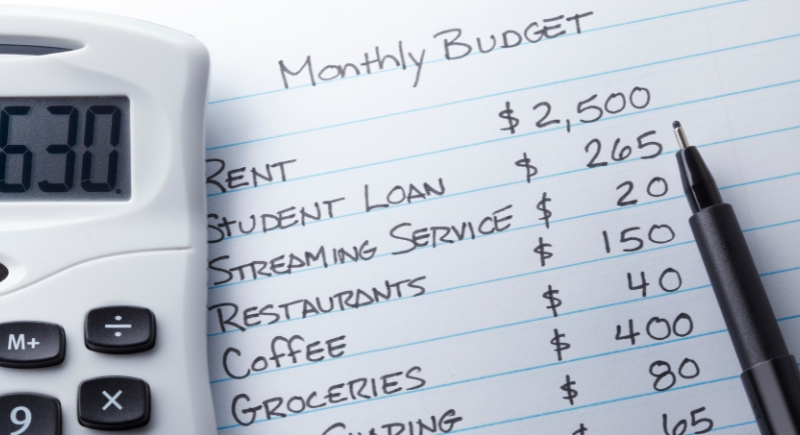
Large purchases are often justified by affordable monthly payments rather than the total price. Debt-funded buying increases risk because obligations stay fixed even if income drops. Paying with cash reduces exposure and preserves choice, which becomes more valuable as commitments grow.a