10 Things That Are Shockingly Expensive in Prisons
Most people don’t think much about the cost of things like instant noodles or a bar of soap. But inside prison, those everyday items can become shockingly expensive. With limited access and tight restrictions, value is shaped by need, not price tags. Items that cost just a few dollars outside are suddenly worth hundreds behind bars.
These sudden price jumps reveal how prison economies function, and how small comforts can become significant when options are limited.
Mobile Phones Sold for Up to £1,000
Credit: iStockphoto
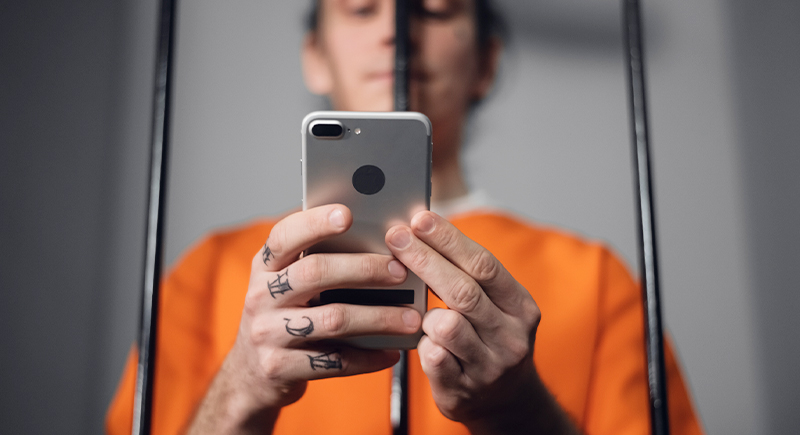
Tiny mobile phones that cost barely £15 outside have sold for £1,000 in prison. Inmates favor small models, such as the GTstar Mini BM50, since they’re easier to hide and harder to detect. Despite the risk of getting caught, phones remain in high demand because they allow unsupervised communication.
Tablets and Email Charged at Premium Rates
Credit: iStockphoto
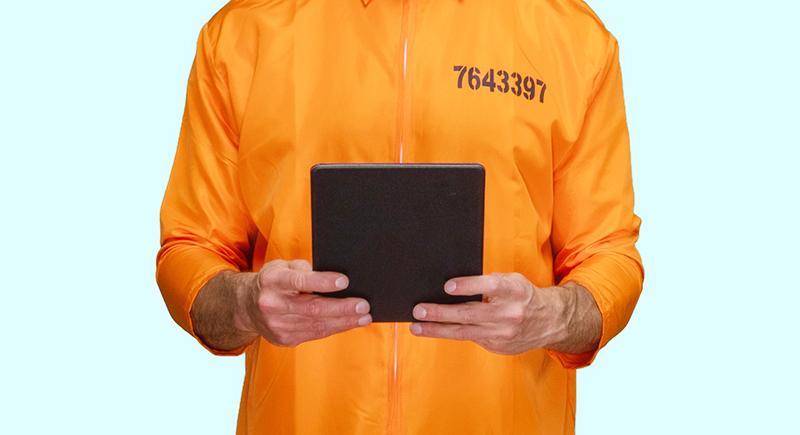
A basic prison-issued tablet—no internet, just messaging and media—might cost $140. Additionally, sending a single email can cost as little as 30 cents. A 48-hour movie rental could cost around $7.99. Some prisons charge $25 monthly for streaming music. Private vendors, not market competition, set prices, and the result is steep.
Tobacco With Markups Up to 1,900%
Credit: Getty Images
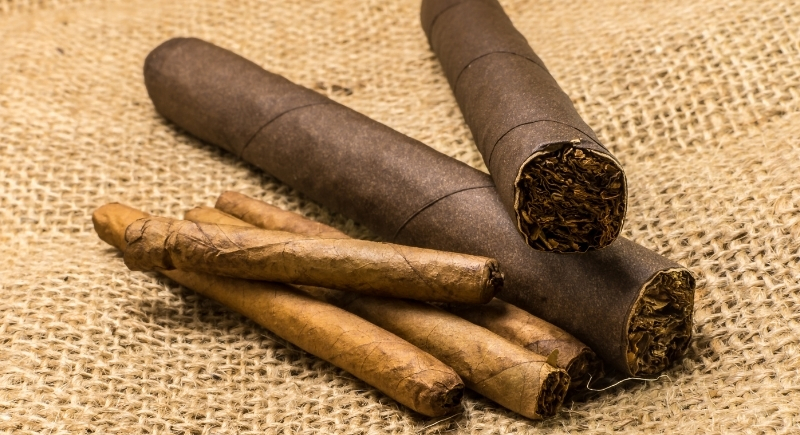
Even in UK prisons where smoking is banned, tobacco moves through black-market channels. A £10 pouch outside has sold for up to £200 inside. Single cigarettes have traded hands for £20. Tobacco also serves as informal currency, and debts can double or triple in size depending on the repayment speed and loyalty.
Instant Noodles Selling for Over Four Times Retail Price
Credit: Getty Images
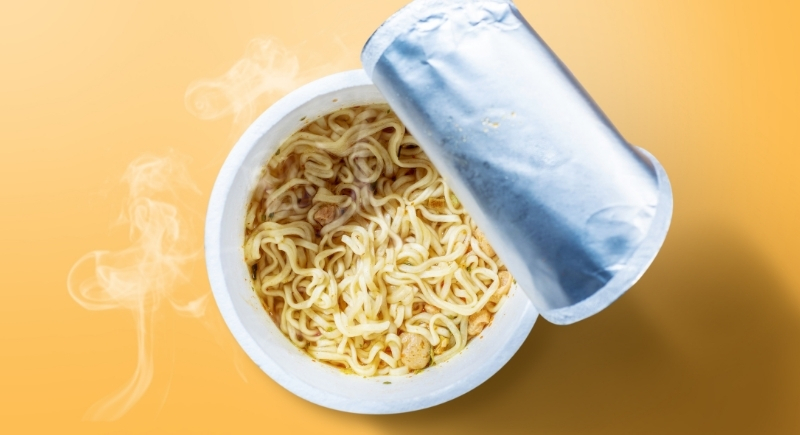
In some U.S. prisons, a case of ramen noodles can sell for $17 inside. Inmates rely on them to supplement unsatisfying meals or when they lose canteen privileges. Noodles are commonly used in trade, often becoming a de facto currency within the prison economy.
Care Packages With High Vendor-Set Prices
Credit: Getty Images
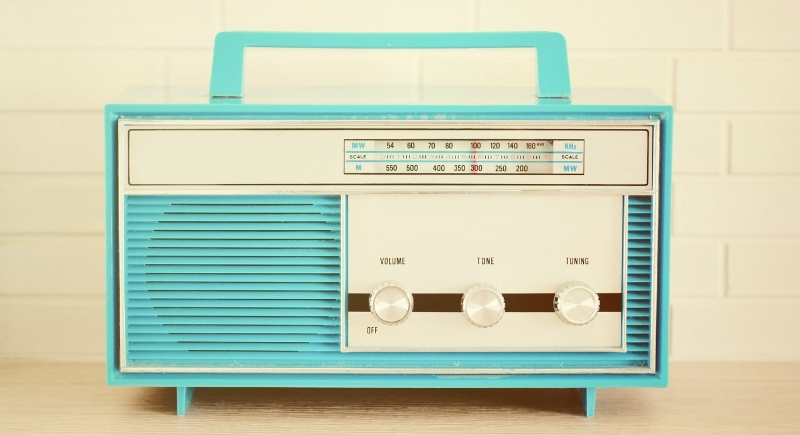
Families buying care packages must use prison-approved vendors, who often set inflated rates. A $13 radio in one state is sold for $22 in another. A $14 bra might be $26 elsewhere. Add in mandatory shipping and handling fees, and even essentials become an unexpected financial strain for those outside.
Kettles as Cooking Tools and Potential Weapons
Credit: Getty Images
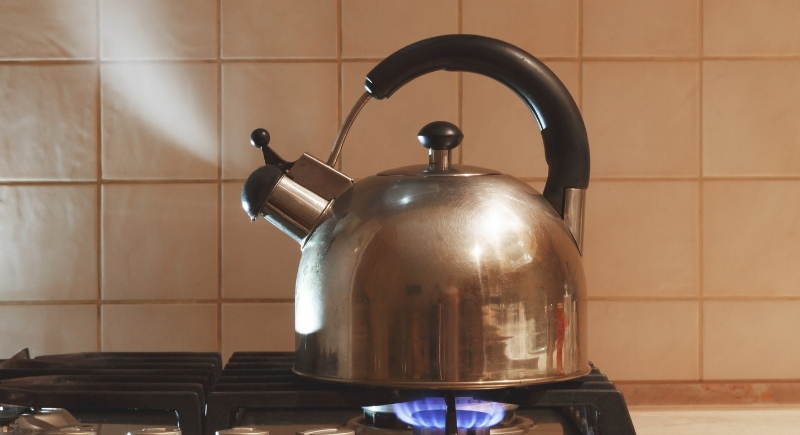
A kettle is more than a hot water source. In UK prisons, it becomes a cooking appliance for eggs or noodles, or a heating tool for sugar and oil during fights. Some prisons removed them entirely after injuries. When allowed, they’re heavily shared or traded for other items or favors.
Chewing Gum Used for Mold-Making and Trade
Credit: Getty Images
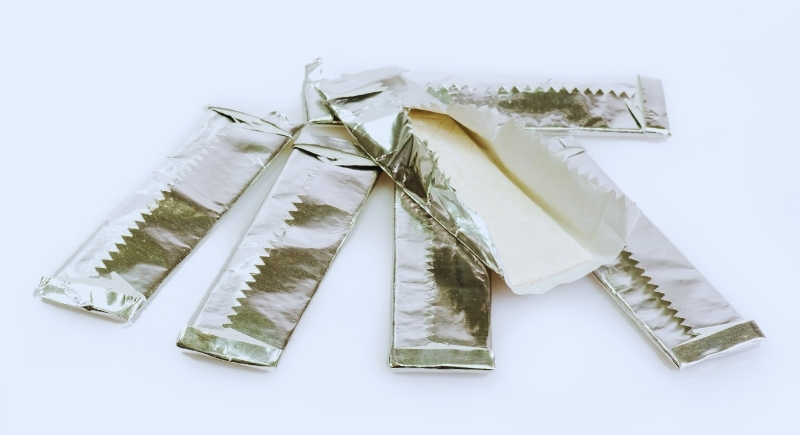
Chewing gum is rare and tightly controlled because it can be hardened and used to mold small items like keys. A single stick has sold for £5. Its appeal comes from both its scarcity and its potential to be repurposed for security breaches, not just its taste or novelty.
Phone Calls Costing $1 or More Per Minute

Credit: iStockphoto
A 15-minute local call can cost over $20 in some U.S. jails. Even after national rules capped interstate call rates, local calls remained subject to facility-specific contracts. Many inmates limit phone time not due to rules, but because of cost, often having to choose between talking and other needs.
Personal Clothing With High Risk and Restricted Access
Credit: pexels
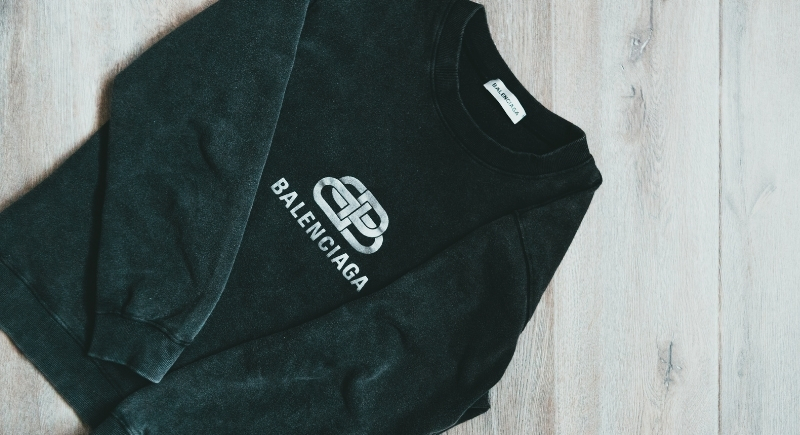
Personal clothing inside prisons is rare and comes with risks. Obtaining approval is a bureaucratic hurdle, and once granted, items can disappear in laundry cycles. Designer pieces worth hundreds have reportedly gone missing. Some inmates offer bribes like food or postage stamps to make sure their clothing returns safely.
Cereal and Religious Texts With Extreme Markups
Credit: Reddit
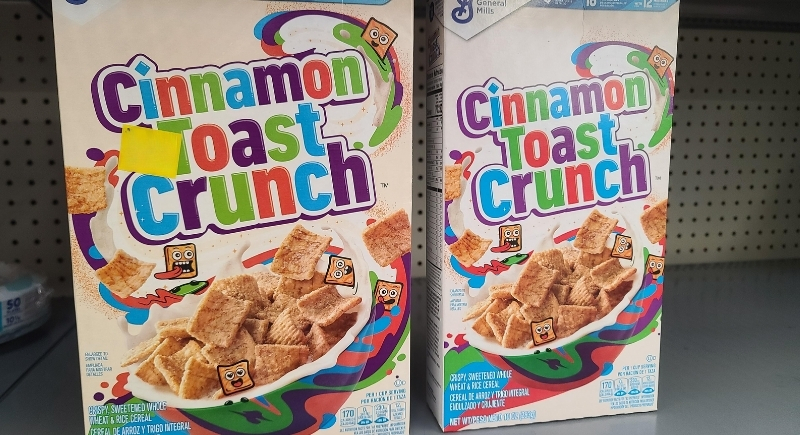
One Mississippi prison sold a small box of Cinnamon Toast Crunch for $4.80. Outside, the larger box cost just $1.67. These inflated food prices hit inmates hard, especially since wages inside can be as low as 23 cents an hour. Even a sugar-frosted breakfast becomes a costly indulgence behind bars.