10 Things Mechanics Pray You Never Figure Out About Your Car
Most of us drive every day without realizing how many simple features our cars already have. Some of them can save time, money, or even prevent a trip to the mechanic. The catch is that many drivers never learn about them because they are buried in the owner’s manual. A few minutes of curiosity can reveal things about your car that mechanics deal with all the time.
The Arrow Next to Your Gas Gauge
Credit: Canva
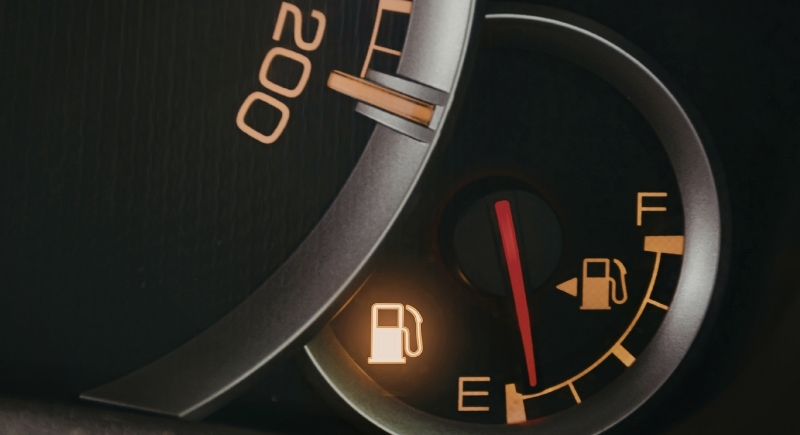
The small arrow beside the fuel pump icon began appearing on dashboards in the late 1980s as automakers sought a simple way to show drivers where the fuel filler door was. By the early 1990s, the indicator had become a common dashboard feature in vehicles worldwide. It has never been federally mandated, so not every car has it. Check yours before making assumptions.
The Dead Key Fob Hack
Credit: Canva
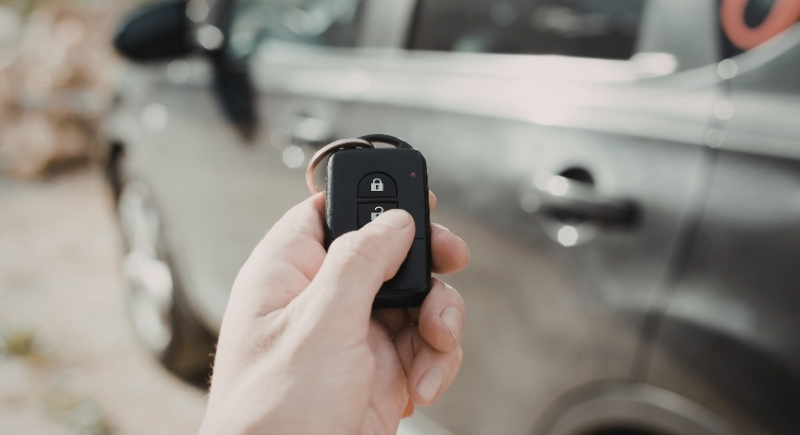
Inside almost every modern key fob is a physical metal key. Simply look for a small release button or sliding lever on the back to pop it out. The corresponding keyhole on the car door is usually hidden behind a cover on the handle. Before calling roadside assistance, check the fob. The answer is probably already in your hand.
Wiper Blades Replacement
Credit: Getty Images
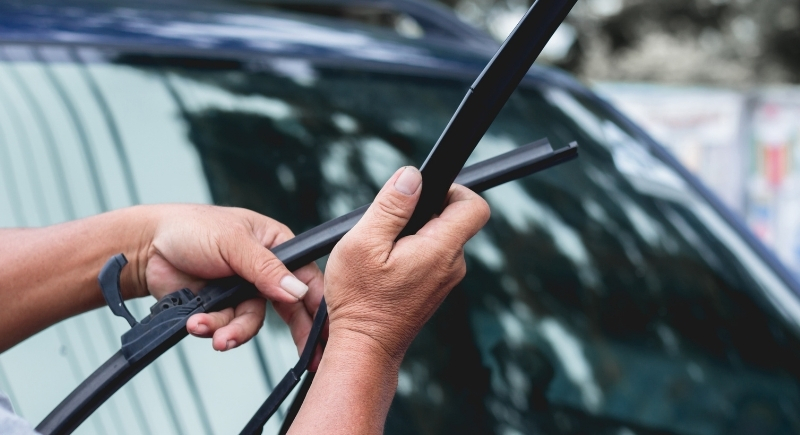
Many cars include a wiper service position that lifts the blades upright on the windshield. This position makes them much easier to reach. The exact steps vary by model and usually involve cycling the ignition and tapping the wiper stalk. Once the blades are raised, replacement takes only a few minutes. New blades cost little, and most drivers can change them at home without difficulty.
Brake Fluid Flushes
Credit: Getty Images
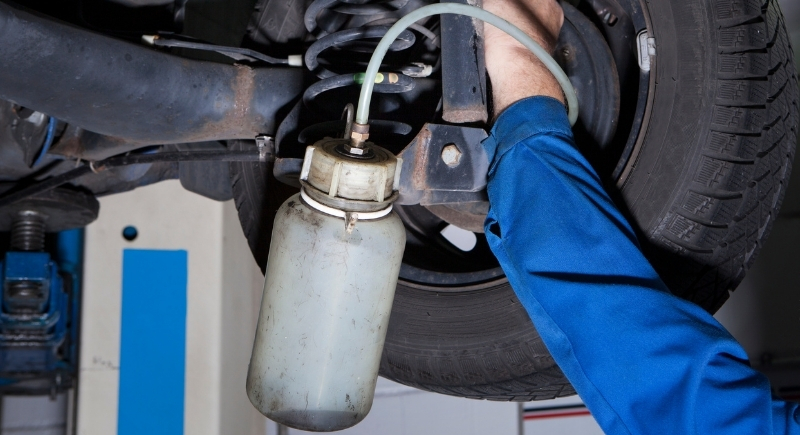
Brake fluid slowly absorbs moisture over time. As that happens, its boiling point drops and corrosion can begin inside brake lines and calipers. You can check the condition yourself with a simple test strip that measures copper levels or a small electronic tester that detects moisture. Both usually cost under $15 at an auto parts store. A shop may charge $80 to $130 for a flush, and mileage alone does not always indicate when it is needed.
The 3,000-Mile Oil Change
Credit: Canva
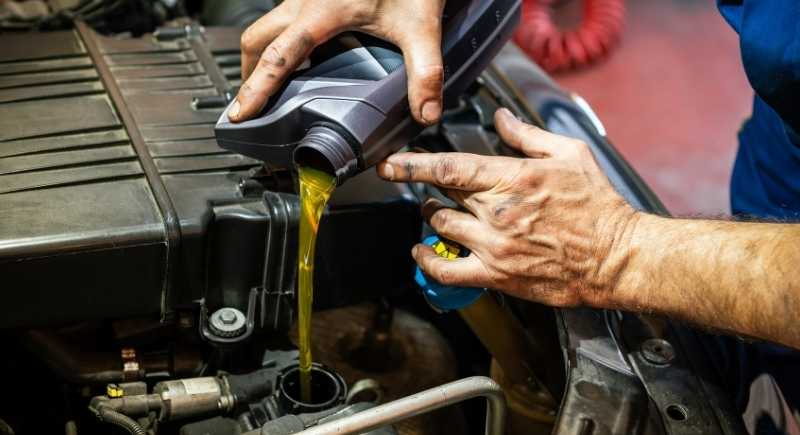
Quick-lube chains built their business model around getting cars back in the bay every three months. The manufacturer-recommended interval for most cars built after 2010 ranges from 7,500 to 10,000 miles, and vehicles with oil-life monitoring systems alert drivers when a change is needed based on real driving data. Newer models may go up to 15,000 miles between changes, but the owner’s manual would hold exact numbers and details.
Battery Terminal Corrosion
Credit: freepik
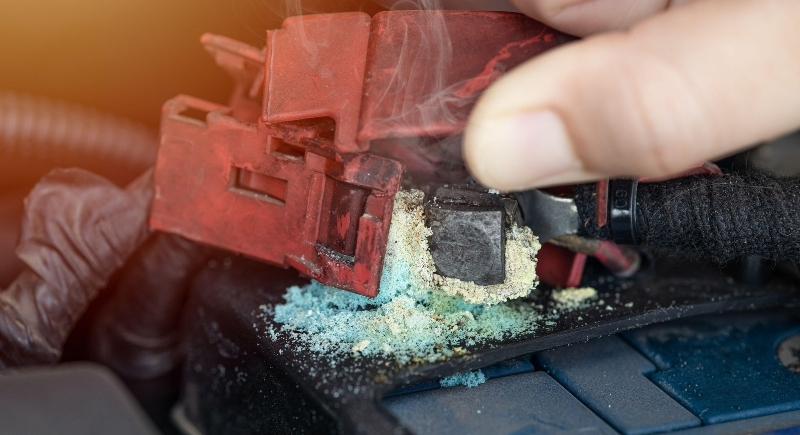
That famous white or bluish crust on battery terminals restricts the connection between the battery and the car’s electrical system, and can cause starting problems. Clearing it takes a tablespoon of baking soda dissolved in a cup of water, an old toothbrush, and basic safety gloves. Apply the solution, scrub, rinse, and dry. The baking soda neutralizes the acid on contact. “Interstate Batteries” recommends cleaning terminals every six months.
Cabin Air Filters Are a Massive Dealership Upsell
Credit: Getty Images
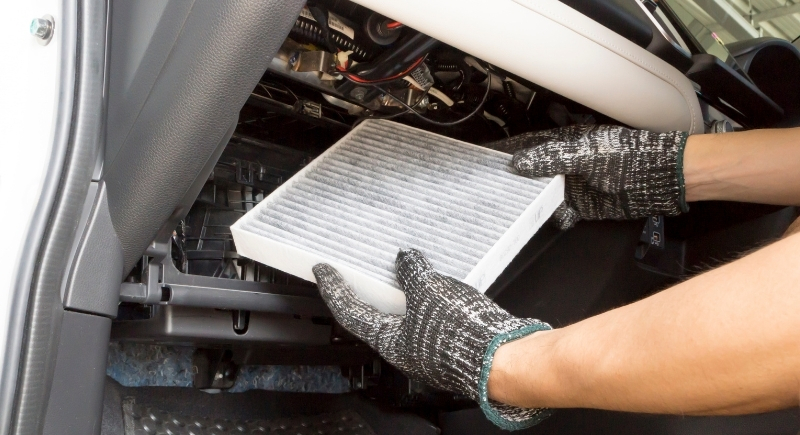
On most vehicles, the cabin air filter is behind the glove box and can be accessed without any tools. The filter itself runs between $10 and $40 at any auto parts store. Dealerships charge between $85 and $130 for the same job once labor is factored in. Replacing the old one with a new one takes some minutes. Most manufacturers recommend replacing it every 15K miles or once a year.
Fixing a TPMS Warning Light
Credit: Canva
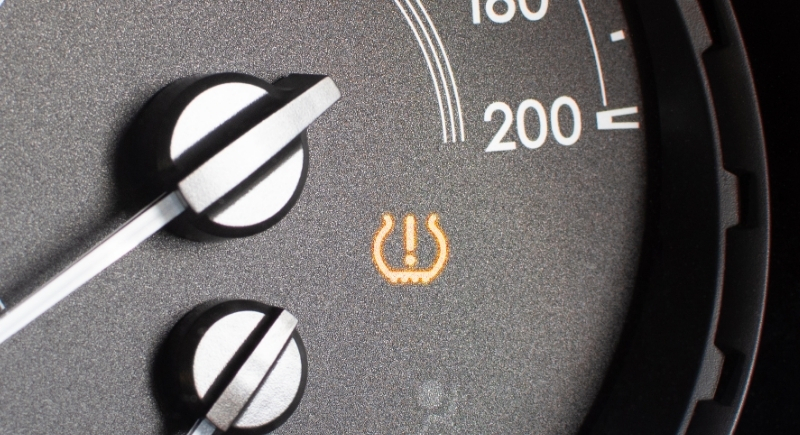
The tire pressure monitoring system light comes on when one or more tires drop 25 percent below the recommended PSI. Inflate to the correct pressure, printed on the sticker inside the driver’s door, and the light often resets after a few miles of driving. If it stays on even with the right tire pressure, most cars have a TPMS reset button. Locate and hold it until the light blinks three times, then start the car.
NHTSA’s Open Recall on Your Car
Credit: Getty Images
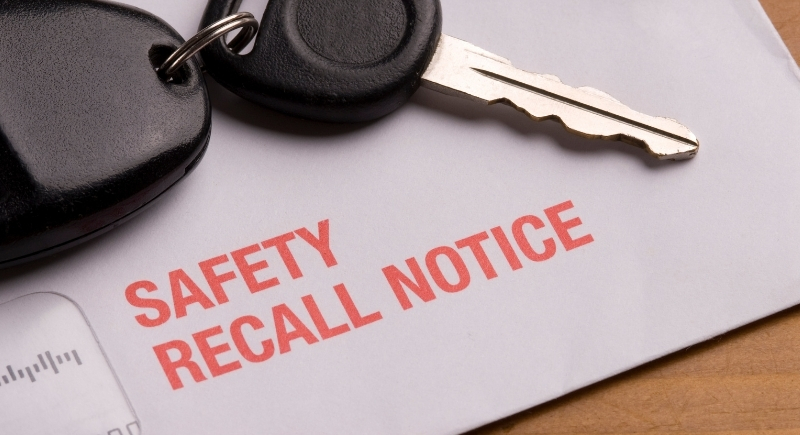
Recall notices sometimes go to outdated addresses, and manufacturers are not required to chase down every owner. NHTSA has a recall database that allows drivers to search by their 17-digit VIN and see every open safety recall in seconds. If one shows up, the repair must be completed free of charge at any authorized dealer, unless parts are unavailable or the vehicle is ineligible under specific programs.
Cooling Down a Hot Car
Credit: Canva
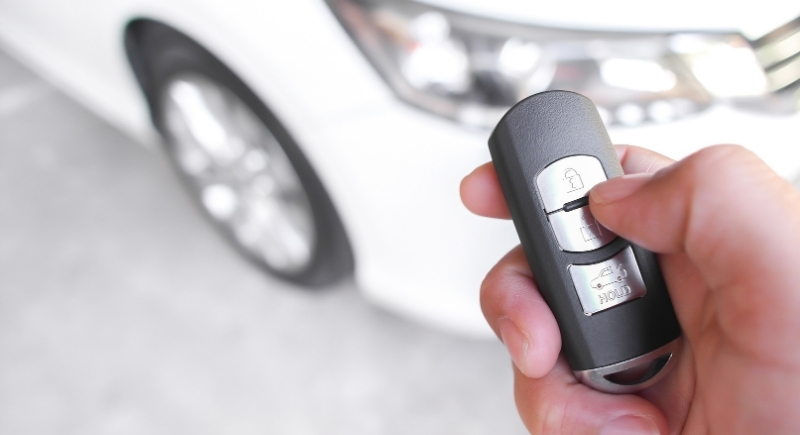
On many vehicles, holding the unlock button on the key fob for a few seconds rolls all the windows down. The exact method varies, as some brands need a double-press and hold on the second tap. Others require enabling it in the settings menu first. Volkswagen, BMW, and several GM models support it from the factory. It vents trapped heat before you ever touch the door handle.