10 Entrepreneur-Politicians Who Mattered in History
Some leaders entered politics after building businesses. Their decisions in office were shaped by how they handled money, labor, and power outside government. In certain cases, that background influenced economic policy and state structure. In others, it fueled controversy and resistance. This list examines figures whose business experience clearly influenced how they governed.
Donald Trump
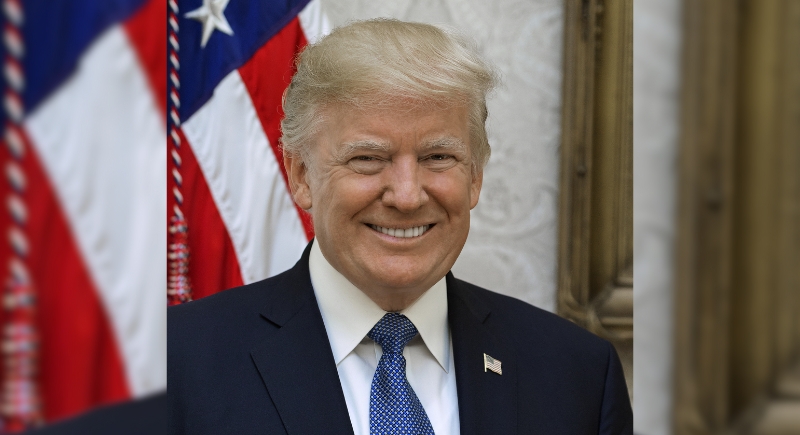
Credit: Wikimedia Commons
Before politics became his full-time headline generator, Donald Trump built a real estate brand. He inherited a strong family business base, then expanded it in New York City and beyond. “The Apprentice” made him a pop-culture fixture as he was its longtime host and producer. In 2016 and 2024, he won the presidency by leaning heavily on business-minded messaging, among other strategies.
Benjamin Franklin
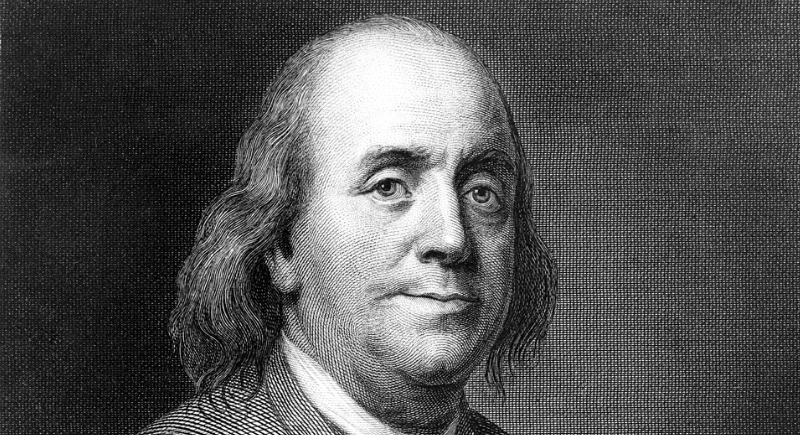
Credit: Wikimedia Commons
Printing made Benjamin Franklin wealthy long before he helped birth a nation. At a young age, he opened a print shop in Philadelphia, which produced the “Pennsylvania Gazette” before starting the annual almanac “Poor Richard’s Almanack.” Retiring from active business in his 40s, Benjamin had built enough wealth to focus on new interests. The Constitutional Convention, an ambassadorship to France, and his status as a founding father were all earned after his years as a businessman.
Michael Bloomberg
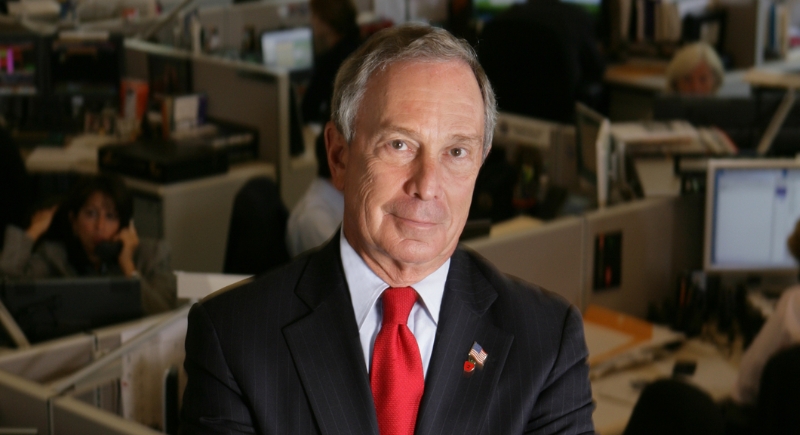
Credit: Wikimedia Commons
Salomon Brothers was acquired in 1981, and former employee Michael Bloomberg received around $10 million in severance. That money funded a new media company delivering real-time business data to investors. Bloomberg LP eventually employed over 13,000 people and generated billions in revenue. Taking over as mayor of New York City after 9/11 in 2002, he served three terms. His tenure focused on metrics, budgets, health regulations, and public safety.
Warren G. Harding
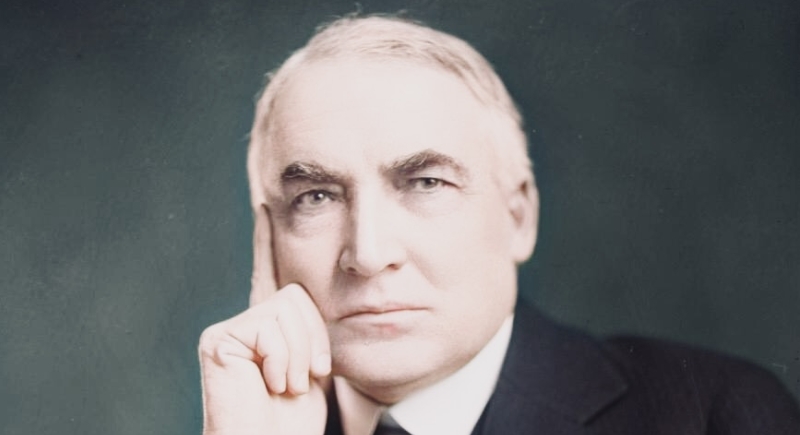
Credit: Wikimedia Commons
At 21, Warren Harding spent $300 to buy the newspaper, the Marion Star. The struggling paper became profitable under his leadership, and when he sold his stake in 1923, he walked away with a six-figure sum. That newsroom experience shaped his political career. Warren’s powerful oratory, along with other skills, helped him win the 1920 Republican presidential nomination. He’d serve as the United States’ 29th president until his death.
George H.W. Bush
Credit: Wikimedia Commons
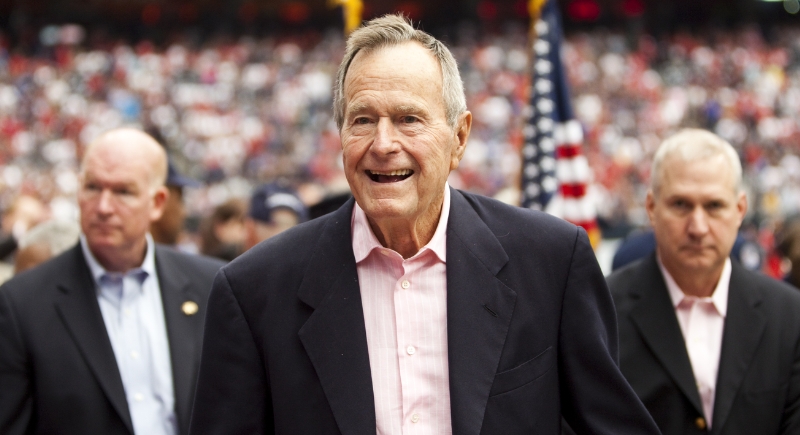
Texas oil fields drew George Bush after his graduation from Yale in 1948. He first worked as an equipment clerk at IDECO in Odessa. Then he and his neighbor, John Overby, launched Bush-Overby Oil Development Company. The 1953 merger with another firm created Zapata Petroleum Corporation. Success in oil translated to political achievement, although his presidency faced criticism over domestic spending. Managing investor capital doesn’t always prepare you for handling taxpayer dollars.
Bob Corker
Credit: Wikimedia Commons
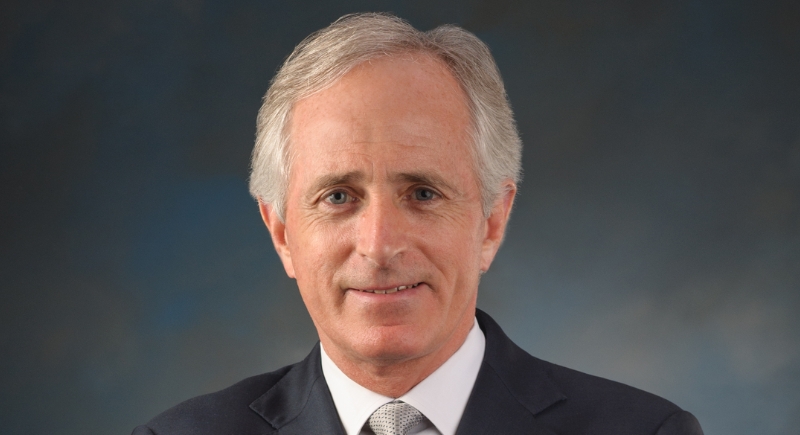
Four years working as a construction superintendent gave Bob Corker enough savings to strike out alone. The $8,000 he accumulated in 1978 before founding Bencor, a construction company. Operations spread to 18 states by the mid-1980s. In 1995, he became the Commissioner of Finance and Administration in Tennessee. From 2007 to 2019, he served as a Senator representing Tennessee.
Mitt Romney
Credit: Wikimedia Commons
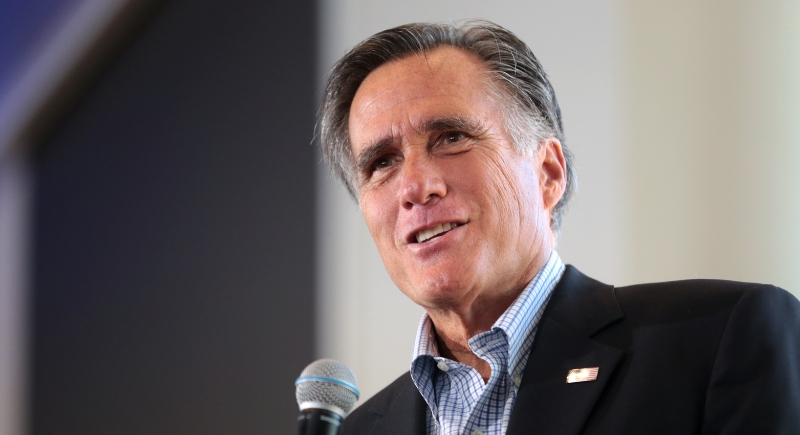
“Bain & Company” nearly collapsed before Mitt Romney helped turn it around. Then he and several colleagues left to create “Bain Capital” in 1984. Massachusetts got balanced budgets during his gubernatorial term. While chairing the Republican Governors Association in 2006, he raised millions for the association and its candidates. By 2012, he ran for President, before serving as a Senator from 2019 to 2025.
Darrell Issa
Credit: Wikimedia Commons
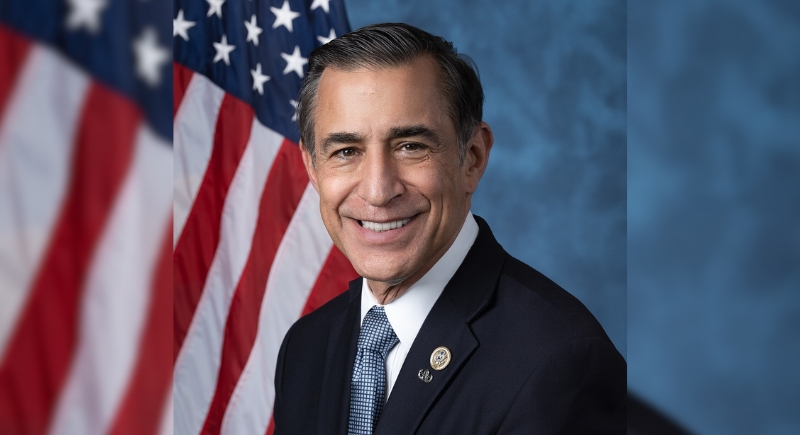
Few politicians can say they left an audible signature on American life, but Darrell Issa did. He founded “Directed Electronics,” maker of the Viper car alarm system, and recorded its warning message himself. His success made him one of Congress’s wealthiest members, and he carried that confidence into office. The successful recall campaign against California Governor Gray Davis in 2003 showcased the same talent for mobilizing people that built his business.
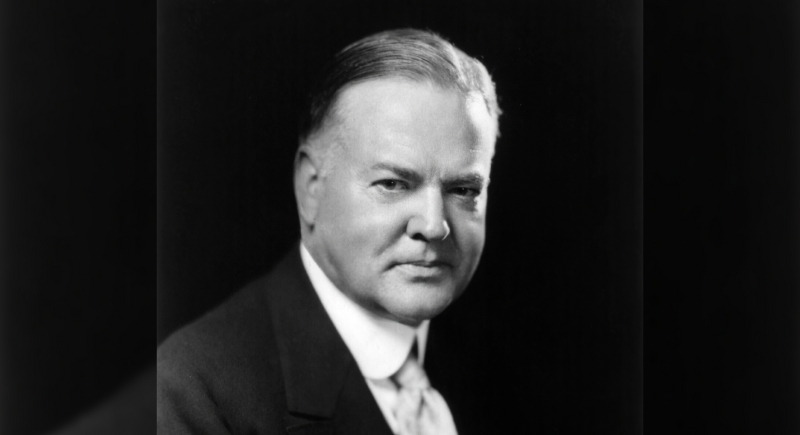
Herbert Hoover
Credit: Wikimedia Commons
Herbert Hoover’s path to politics started in mines, not debates. As a mining engineer and executive, he built wealth by improving failing operations. That reputation for logistics made him valuable long before he became president. During World War I, Herbert organized food relief efforts that saved lives. As president starting in 1929, he faced the Great Depression and became associated with its misery, despite earlier humanitarian achievements.
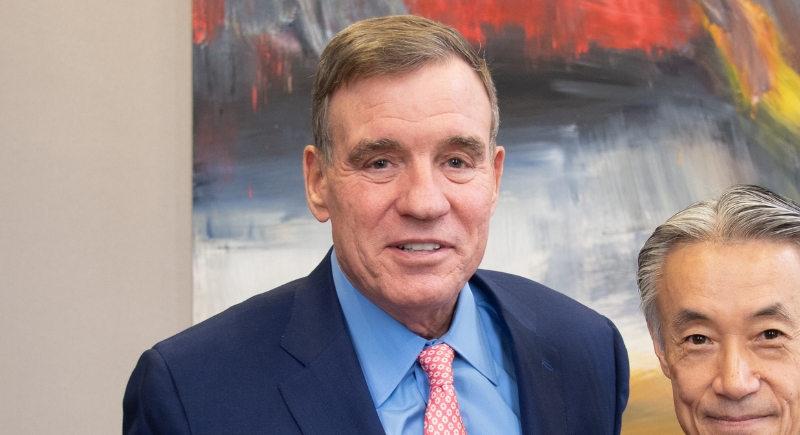
Mark Warner
Credit: Wikimedia Commons
Telecommunications made Mark Warner wealthy at a young age. He built his fortune as a telecommunications-focused venture capitalist and entrepreneur, co-founding Capital Cellular to invest in emerging tech ventures. That background shaped his image as someone who understood jobs and growth. As Virginia’s governor, he pushed business-friendly policies and promoted economic development. Since 2009, Mark has served in the Senate, gaining a reputation for cross-party bargaining among other skills.