10 “Frugal” Habits That Waste Your Time
Trying to be frugal often feels responsible. You cut a few costs, stretch what you have, and feel like you are making practical choices. The problem shows up when the effort becomes heavier than the reward. Some habits that look smart on the surface end up draining more time than money, and that lost time slowly eats into your energy and focus.
This list looks at the everyday “saving tricks” that rarely hold up once you measure the effort involved. Real frugality should make your routine easier and should free up your attention, not bury you in tasks that leave you tired and short on hours.
Driving Across Town for Cheaper Gas

Credit: Canva
Gas prices change from station to station, but hunting for the lowest number usually isn’t worth it. A small difference per gallon often adds up to a dollar or less, and you lose more time than you save money. Once you factor in the extra drive, traffic, and the hassle, even AAA suggests choosing a station that fits your route rather than chasing a tiny discount.
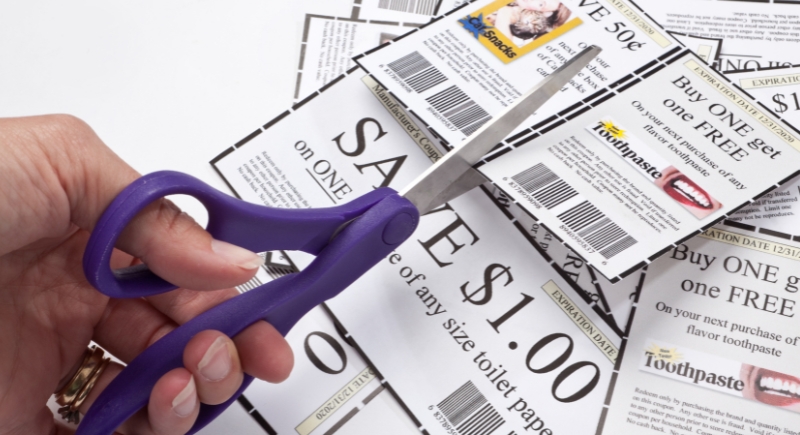
Clipping Paper Coupons by Hand
Credit: Getty Images
Cutting coupons from newspapers takes time, and the payoff is usually small. Many of those paper deals focus on expensive name brands, and people often end up buying more than they planned just to use them. Store apps and digital discounts give you similar savings without the piles of paper or the time spent sorting through pages.
Putting Off Purchases Waiting for Sales

Credit: pexels
A plan to wait for a lower price can easily turn into a time sink. You end up checking websites, tracking price changes, and watching for a discount that may never show up. Adobe’s pricing data shows that deals move up and down unpredictably, so the savings are rarely guaranteed. In the meantime, you still need the item, and the delay becomes more frustrating than the cost you were hoping to avoid.
Making Everything From Scratch

Credit: Getty Images
Cooking at home saves money, but not every kitchen project pays off. Baking bread, canning tomatoes, or making yogurt may sound wholesome, but they eat up your weekend. Once you factor in ingredients, energy, and time, store-bought basics are often the better deal.
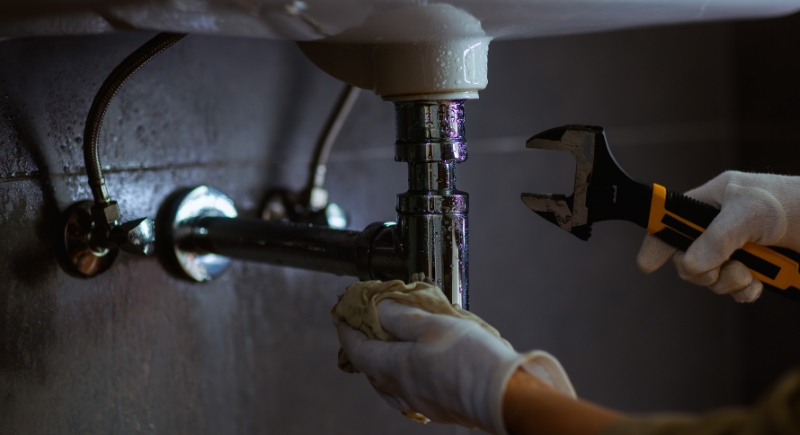
Attempting Complex Home Repairs Yourself
Credit: Canva
DIY plumbing or electrical projects can stretch into days if you lack the right tools or experience. One misstep can cause damage that is more expensive to repair. Botched jobs often need professional corrections anyway. HomeAdvisor found those fixes cost about 50% more than hiring help in the first place.
Hand-Washing Laundry to Cut Utility Costs

Credit: pixelshot
Washing and drying a full load by hand might save a few cents on electricity, but it takes much longer. ENERGY STAR-certified washers use 25% less energy than older models, and they finish the job in a fraction of the time. Manual washing makes sense only for small or delicate items.
Reusing Disposable Plastic Bags
Credit: Getty Images
Rinsing and air-drying sandwich bags every week doesn’t do much for your budget and might not keep things clean. In fact, reused bags often harbor bacteria if not sanitized thoroughly. Reusable containers or silicone bags do a better job and last far longer.
Tracking Small Cashback Offers

Credit: Canva
Managing multiple rebate apps and chasing $1 paybacks often leads to impulse purchases. Consumer Reports notes that shoppers tend to spend more just to activate these deals. Unless the cashback comes automatically on planned buys, the savings rarely justify the attention it demands.
Canceling and Re-Subscribing to Services Monthly

Credit: Getty Images
Constantly pausing and reactivating subscriptions may seem like a good way to avoid monthly charges, but managing it takes effort. You risk losing settings, access history, or getting hit with reactivation fees. In the long run, choosing services that offer consistent value saves time and hassle.
Making DIY Cleaning or Beauty Products

Credit: Canva
DIY recipes often underperform compared to regulated products. Ingredients like baking soda or vinegar don’t sanitize as well as commercial cleaners approved by the EPA. For personal care, dermatologists warn that homemade treatments can cause irritation or contamination. Buying safe, effective versions saves time and risk.