
Behind major acquisitions, luxury property transactions, and private investment decisions, executives rely on trusted circles where information is shared selectively. These networks are built on reputation, discretion, and the ability to handle opportunities before they become public.
Within these networks, confidentiality helps executives determine whom to trust with sensitive opportunities. That is why experienced dealmakers approach NDAs differently. They create just enough protection to keep the deal moving.
Make confidentiality simple

A common mistake in negotiations is treating a long NDA as a sign of seriousness. In reality, overly complicated agreements can create unnecessary friction. When a confidentiality agreement feels aggressive, people start asking different questions. Are there hidden restrictions? Will this limit future opportunities? Is the other party trying to gain control rather than protect information?
Executives often rely on clear agreements because uncertainty can slow negotiations and make potential partners hesitate. A practical NDA usually focuses on the essentials:
- What information is confidential
- How that information can be used
- Who can access it
- How long confidentiality obligations last
- What happens when the process ends
The purpose is to create enough structure for both sides to share information comfortably. Early deal conversations often involve sensitive material, from financial records and development plans to investment strategies and ownership structures. The same discretion applies in private markets for rare art, watches, classic cars, and other collectible assets, where information about ownership or upcoming sales can influence value. People are more willing to share when they understand exactly what protections are in place.
Confidentiality is about information flow
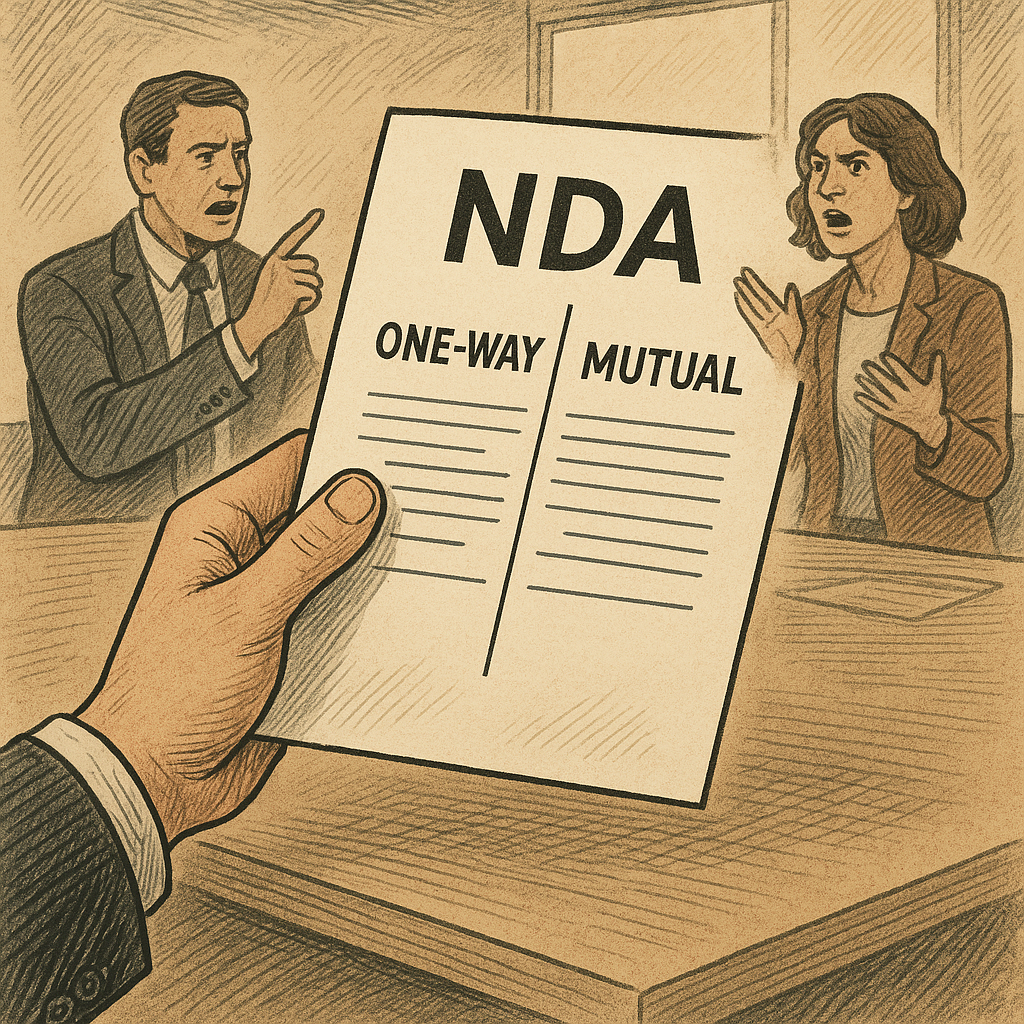
One of the biggest misconceptions around NDAs is that they are about proving who has more power. In reality, the structure usually depends on who is sharing information and what kind of information is being exchanged. A seller providing property records, operating statements, and tenant details has different concerns from a developer sharing a construction strategy, financing structure, or investor relationships.
Experienced negotiators usually focus less on whether an NDA is mutual and more on whether it protects the information that matters. This approach keeps discussions focused on protecting valuable information rather than creating unnecessary tension between parties.
Experienced dealmakers also recognize that not every piece of information requires protection. Public market information, government records, and general industry data are among the factors professionals use to evaluate opportunities. Trying to classify everything as secret can damage credibility.
Relationships are the real currency behind closed-door deals

At the highest levels of business, access is often determined before a deal begins. Executives are invited into private conversations because previous decisions have shown they can protect information, respect relationships, and recognize valuable opportunities. A person may have the capital, the expertise, or the right connections, but if they cannot be trusted with sensitive information, they will eventually stop receiving opportunities. This is why experienced dealmakers pay close attention to clauses that affect relationships. Broad restrictions that prevent people from speaking with entire networks of contacts can create unnecessary tension.
A better approach is to protect the specific relationship involved in the transaction. If a broker introduces a buyer to a seller, the agreement should protect that introduction without attempting to control every future interaction between the parties. Investors, lenders, advisors, and partners face the same challenge: maintaining valuable relationships without creating unnecessary barriers.