Risky Financial Moves Retirees Should Absolutely Skip to Protect Their Savings This Year
Many retirees do not realize how easy it is for savings to slip away in retirement. It usually is not one huge mistake either. The trouble often starts with decisions that feel completely normal at the time. Someone may start spending more freely because the market has been strong lately, or take financial advice from the wrong person, or keep helping family without setting limits. None of these looks illogical, which is exactly why these habits can become expensive later on.
Buying A New Car Before Running The Numbers

Credit: Canva
New car prices rarely stop at the sticker price anymore. Extra dealer fees, service packages, and financing costs can push monthly payments well above what many retirees expect. Insurance costs for newer vehicles have also jumped in recent years because repairs now involve expensive sensors, cameras, and technology. In many cases, a lightly used car can avoid much of that extra financial pressure.
Remodeling A House Right Before Downsizing

Credit: Getty Images
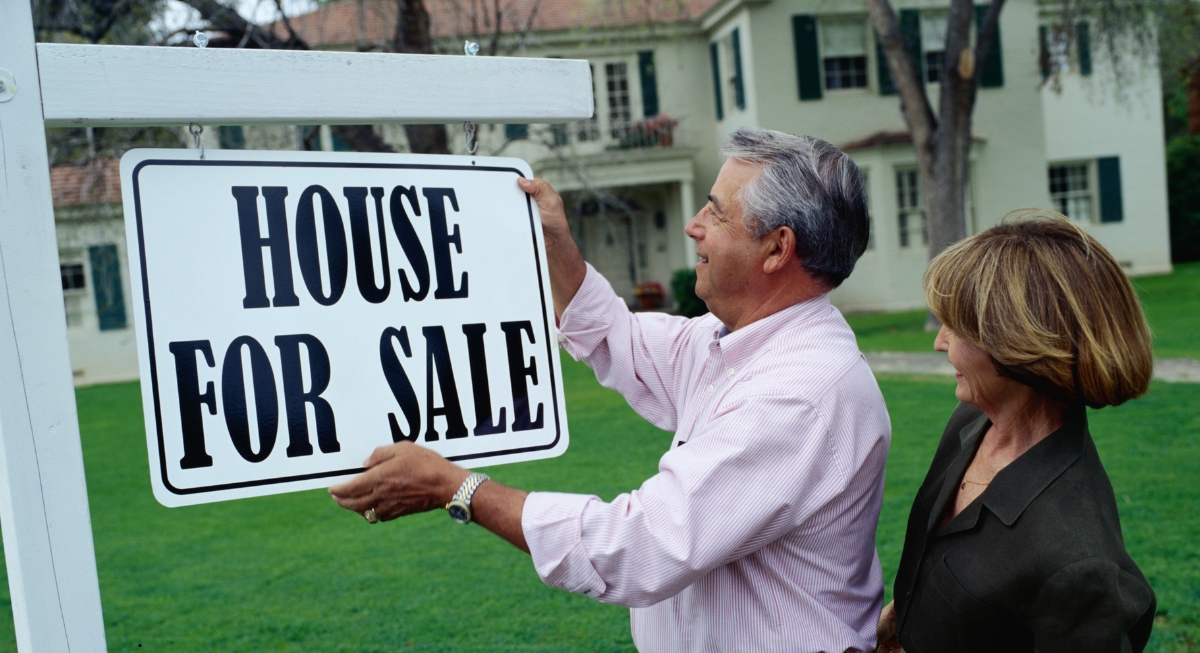
A surprising number of retirees pour $80,000 into kitchens they plan to leave within two years. Real estate agents regularly point out that homeowners rarely recover the full cost of luxury renovations. Material prices also remain elevated after years of supply disruptions. Cosmetic updates like paint and modern lighting are usually more cost-effective before selling.
Parking Retirement Savings Entirely In Cash

Credit: pexels
After a rough stock market year, cash can feel comforting. The problem shows up slowly at the grocery store. A retiree earning 1% interest while inflation runs at 3% loses purchasing power every year without noticing immediately. That gap becomes painful over a twenty-year retirement.
Letting Adult Children Move Financial Problems Into Your Budget

Credit: Getty Images
Parents often step in with the best intentions. A retired couple may cover a grandchild’s tuition payment or help an adult child catch up on overdue rent. Then another emergency appears six months later. AARP surveys have shown that many older Americans provide recurring financial support to family members long after retirement begins. That support can quietly derail fixed-income budgets.
Jumping Into Trendy Investments After Hearing Success Stories

Credit: pexels
Retirees sometimes hear about cryptocurrency gains at dinner parties and feel pressure to catch up quickly. That emotional reaction has trapped many people near market peaks. Financial scams targeting older adults also spike during periods of investment hype. Fraudsters frequently pitch “safe” high-return opportunities that collapse months later.
Treating Social Security Like A Full Retirement Plan

Credit: pexels
The average monthly Social Security benefit covers basics for many retirees, though it rarely supports the lifestyle people picture before leaving work. Housing costs alone can consume a huge portion of those checks in many cities. Medicare also leaves retirees paying out of pocket for deductibles and supplemental insurance costs. Financial advisers regularly encourage building additional income streams before retirement starts.
Financing Expensive RVs For Occasional Trips

Credit: Getty Images
RV dealerships know retirement dreams sell extremely well. Buyers picture national parks, open highways, and months of freedom. The ownership reality gets expensive quickly. Fuel costs alone can rival airfare during long road trips. Storage fees, campground reservations, tire replacements, and maintenance bills continue year-round even when the RV sits unused.
Carrying Credit Card Debt Into Retirement

Credit: Canva
Credit card balances become harder to manage once steady paychecks disappear. A retiree carrying $15,000 at a 22% interest rate can spend thousands of dollars each year without reducing the principal much at all. Medical bills often make the situation worse because unexpected health expenses tend to arrive later in life. Minimum payments also create a false sense of control.
Selling Investments During Every Market Drop
Credit: Canva
Market declines make retirees nervous for understandable reasons. Selling everything after a rough week often locks losses in permanently. Historical market data shows major downturns are usually followed by recoveries over time, though panic selling interrupts that rebound. Many retirees who exited investments during the 2008 financial crisis missed years of market growth afterward.
Spending Heavily During The First Years Of Retirement

Credit: Getty Images
Researchers sometimes call this the “retirement honeymoon phase.” New retirees suddenly have free time and start booking cruises, replacing furniture, and eating out far more often than they did during working years. The spending surge feels harmless because retirement accounts may still look healthy early on. Problems usually appear later when inflation rises or healthcare costs increase.