10 Reasons Not to Put Your Child’s Name on Your Deed
If you own a home, you have probably wondered how to pass it on without dragging your family through probate. Adding your child to the deed can seem like the fastest solution. It feels practical and responsible.
But the second you do it, the house is no longer just yours. That change can affect taxes, debt exposure, lawsuits, and even your ability to sell or refinance. Before you sign, it helps to understand what you are actually giving up.
Total Loss Of Control

Credit: Canva
The second your child’s name goes on the deed, you stop being the only decision-maker. Selling the house, refinancing, or taking out a home equity loan usually requires their signature, too. If they disagree, need money, or simply refuse to sign, you cannot move forward. Laws vary by state, but shared ownership means shared authority, which can limit what you can do with your own home.
The Massive Gift Tax Trap

Credit: Canva
The IRS treats adding a non-spouse to a deed as a taxable gift if the value exceeds the annual gift tax exclusion. For 2026, the exclusion is $19,000 per person. Since most houses cost more than that, homeowners have to file Form 709. While it may be unnecessary to pay cash immediately due to lifetime exemptions, this move will eat into your future tax-free legacy, turning a nice gesture into a complex federal filing.
Exposure To Creditor Claims

Credit: Getty Images
Lawsuits against a child can jeopardize their parents’ standard of living because debt collectors often place liens on a debtor’s specific ownership interest. While a creditor typically cannot seize the parents’ separate share, they can pursue the child’s portion of the equity. In that case, the creditor might seek a “partition action” to force a sale. These outcomes depend on state law, but such legal disputes are inherently disruptive to one’s life and personal comfort.
Medicaid Eligibility Roadblocks

Credit: Getty Images
If you ever need help paying for nursing home care, Medicaid looks closely at your financial history for the past five years. Adding your child to the deed can count as an “uncompensated transfer” if you did not receive full market value in return. That can trigger a penalty period where Medicaid will not pay. You could be forced to cover expensive care out of pocket at the worst possible time.
Forfeiting The Stepped-Up Basis

Credit: Canva
Tax perks often vanish when you gift property shares during your life instead of passing them through a will. Children usually take over the original purchase price as their “cost basis” for that gift. This limits the tax-free value increase they would normally get at the death of their parents. Total tax bills depend on the home’s title structure, but shifting ownership early could accidentally create a massive capital gains bill for your children later.
Risks Of Unexpected Death

Credit: Getty Images
No one wants to think about outliving their child, but it is a real possibility. If the deed is not structured with a right of survivorship, your child’s share does not automatically come back to you. In some cases, it passes through your child’s estate. That could leave you owning your home alongside an in-law or another heir. The exact language in the deed determines whether you stay protected or face a complicated legal situation.
Bankruptcy Court Interference
Credit: pexels
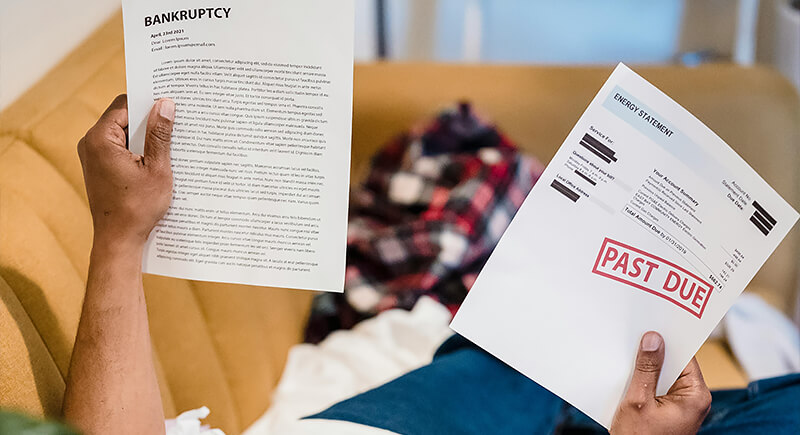
Financial struggles for a child translate into legal risks for the home because a bankruptcy estate includes every asset a debtor owns. Trustees have the power to sell these interests to pay back lenders. While a forced sale of the entire residence is not guaranteed in every case, specific federal rules allow such drastic measures. Co-owning property essentially invites a court to scrutinize your home equity.
Divorce Settlement Drama

Credit: pexels
If your child goes through a divorce, every asset in their name may be subject to review. That includes their share of your home. A court may treat it as part of the marital estate and require it to be valued. Depending on state law and the details of the case, a former son-in-law or daughter-in-law could end up with a legal claim tied to your property.
Higher Insurance Premiums

Credit: pexels
Insurance companies consider who legally owns a home when assessing risk. Adding your child to the deed may prompt a policy review, especially if your child does not live there. That shift may change how the insurer classifies the property. In some cases, it leads to higher premiums or a requirement for more expensive coverage. A small title change can increase long-term costs.
Issues With The Due-On-Sale Clause

Credit: Canva
Mortgage agreements usually allow lenders to demand full payment if the title changes hands. Fortunately, federal law provides a safety net for family transfers. The Garn-St. The Germain Act generally stops banks from calling in the loan just because the child’s name is on the deed. Even with this legal shield, it is wise to think twice. You want to avoid any situation that puts your family home at risk of foreclosure.