Office Dress Codes Are Chaos Now, Gen Z Agrees
Work clothes do not carry the same meaning they once did. In offices where sneakers and tailored pants exist side by side, Gen Z is often left guessing what counts as professional. After years of remote work and constant exposure to social media fashion, expectations have blurred. Comfort plays a bigger role, but uncertainty remains. Office style feels unsettled, and many workers are trying to adjust in real time.
The Pandemic Rebooted Workwear
Credit: Getty Images
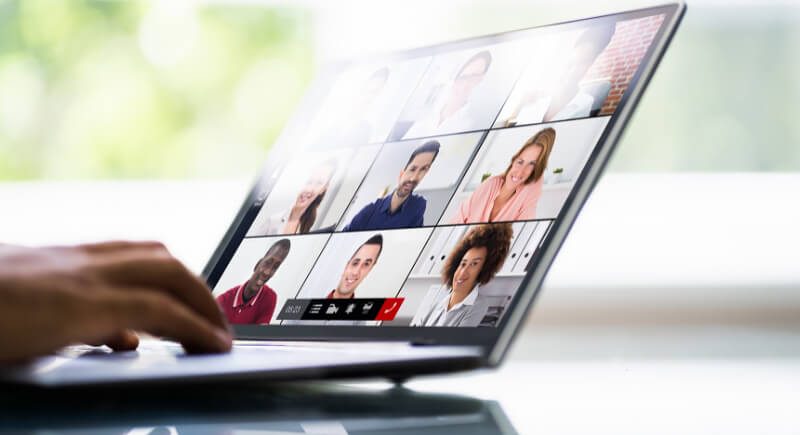
When offices closed in 2020, structure disappeared from daily workwear. Zoom meetings made soft fabrics and flexible fits the default. As people return to offices, traditional tailoring can feel unfamiliar or unnecessary. According to IWG, 78% of workers, particularly Gen Z, now seek guidance on what to wear. Comfort reshaped expectations faster than formal dress codes could keep up.
TikTok Has Replaced the Dress Code Manual
Credit: TikTok
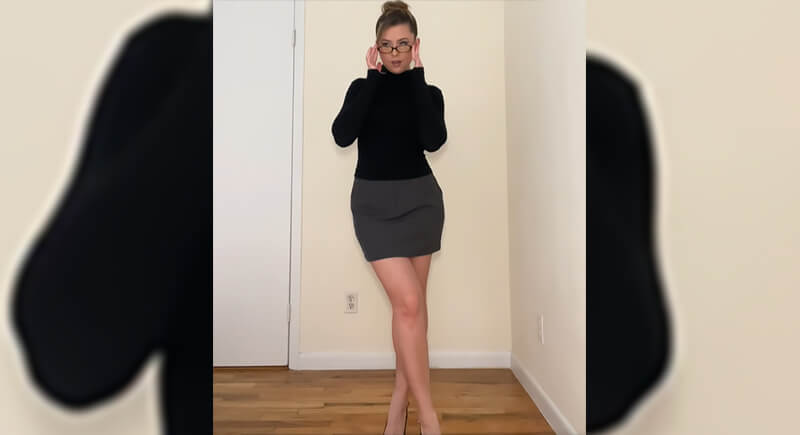
Instead of company guidelines, many Gen Z employees turn to TikTok for clues. Trends like “office siren” and “corpcore” mix fitted blazers with casual or unconventional pieces. These looks perform well online, but they do not always translate smoothly to real workplaces. Even so, influencers often feel more accessible than official HR documents, which younger workers tend to ignore.
HR Is Still Adjusting

Credit: Canva
Human resources departments are updating policies that no longer reflect how people actually dress. Etiquette coach Myka Meier notes that some Gen Z workers interpret athleisure as business casual, assuming sneakers fit the same role as traditional office shoes. Many companies are choosing flexibility over strict rules. Dress codes increasingly rely on personal judgment, which can vary depending on who is enforcing it.
Capsule Wardrobes Reduce Decision Stress
Credit: Getty Images
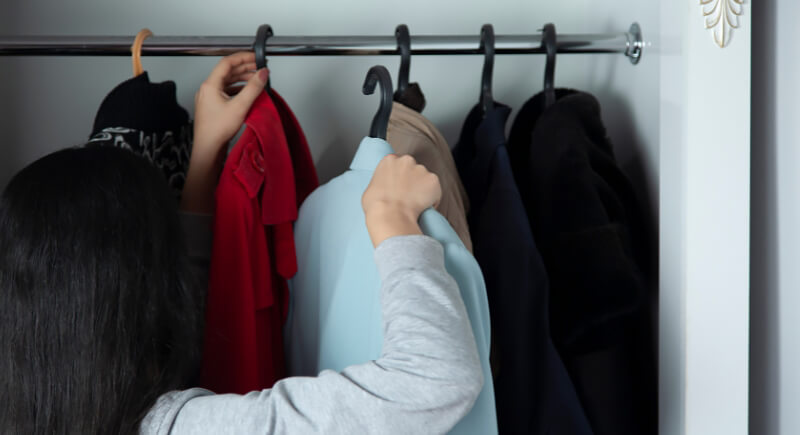
To manage uncertainty, many Gen Z professionals are simplifying their closets. Capsule wardrobes built around a few reliable pieces make mornings easier. Florida attorney Kyndal Midkiff keeps multiple pairs of the same trousers in different colors to reduce daily decisions. Fewer choices lower stress and help shift attention back to work instead of outfits.
Shoes Carry More Meaning Than Before
Credit: Reddit
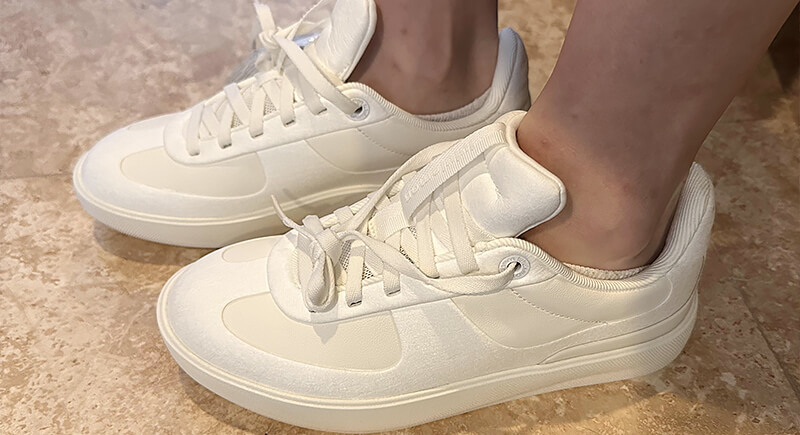
Footwear has become one of the clearest signals of office culture. Brands like Lululemon and On now appear in offices once dominated by leather dress shoes. Many of these sneakers cost as much as formal footwear, showing that comfort does not mean inexpensive.
Athleisure Has Blended Into Office Wear
Credit: Youtube
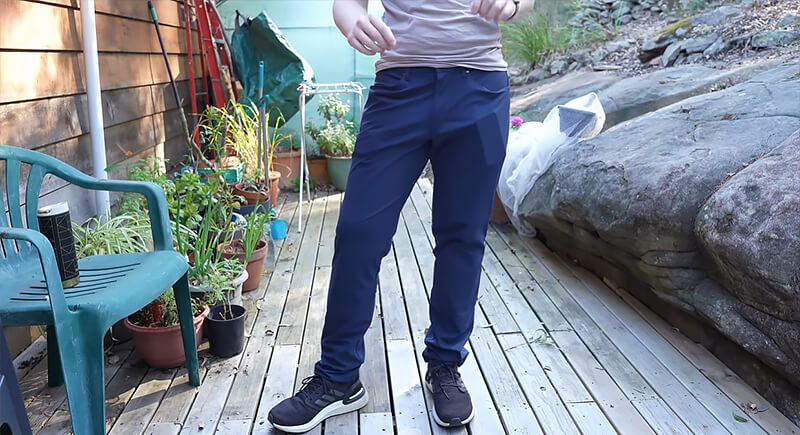
The line between gym clothes and work clothes continues to blur. Lululemon’s ABC pants, designed to resemble slacks while offering stretch, have become common in hybrid workplaces. These pieces balance ease with a put-together appearance. In jobs that move between meetings and travel, flexible clothing now defines what professionalism looks like.
Fear of Getting It Wrong Is Real

Credit: Getty Images
Choosing what to wear has become a source of stress for many young workers. Milkround reports that 74% of Gen Z employees feel anxious about daily outfit choices, often worrying about comments from coworkers. Some have been corrected for wearing casual fabrics or showing too much skin. Unclear expectations leave people trying to avoid standing out for the wrong reasons.
Managers Set the Visual Standard

Credit: Getty Images
Without clear rules, many Gen Z employees look to their managers for guidance. IWG data shows nearly one-third copy what their supervisors wear. When a manager wears sneakers, those sneakers suddenly feel acceptable. Leaders often shape dress norms without realizing it, simply by showing up dressed a certain way.
Gender-Neutral Dressing Is Becoming Normal

Credit: Canva
Office fashion is moving away from strict gender categories. Brands like Aritzia and Everlane focus on neutral colors, relaxed fits, and shared silhouettes. For Gen Z, clothing reflects identity rather than tradition. Items like blazers and wide-leg pants are no longer tied to gender, signaling a shift toward more inclusive workplaces.
The Blazer Looks Different Now
Credit: Canva
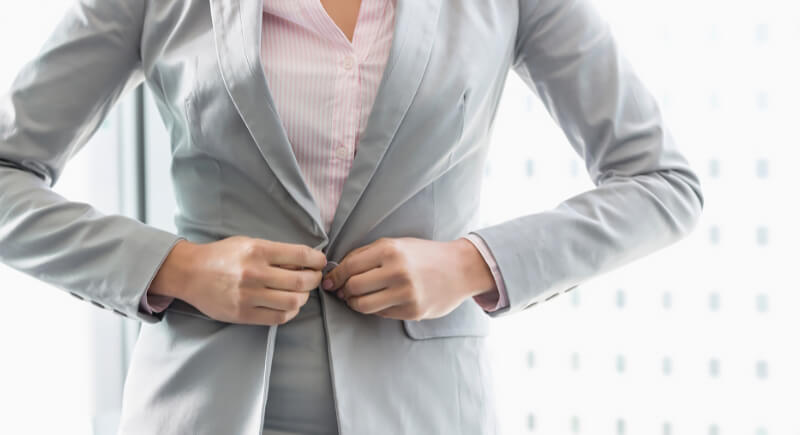
The blazer remains a staple, but its form has changed. Cropped cuts, softer tailoring, and bolder patterns are more common. Olympia Gayot of J.Crew emphasizes that styling matters more than shape. Pairing structured pieces with casual elements makes them feel current without losing purpose. The blazer still signals seriousness, just without stiffness.
Work Uniforms Are Quietly Returning
Credit: pexels
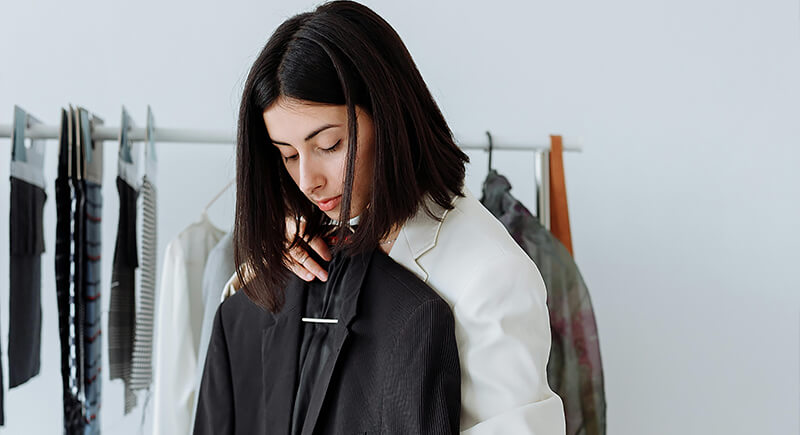
Many professionals now rely on a small rotation of trusted outfits. Repeating combinations saves time and reduces mental effort. Stylists say this consistency builds confidence and simplifies mornings. It is less about sameness and more about reliability in an environment where expectations feel unclear.
TV Style Creates Mixed Signals
Credit: pexels
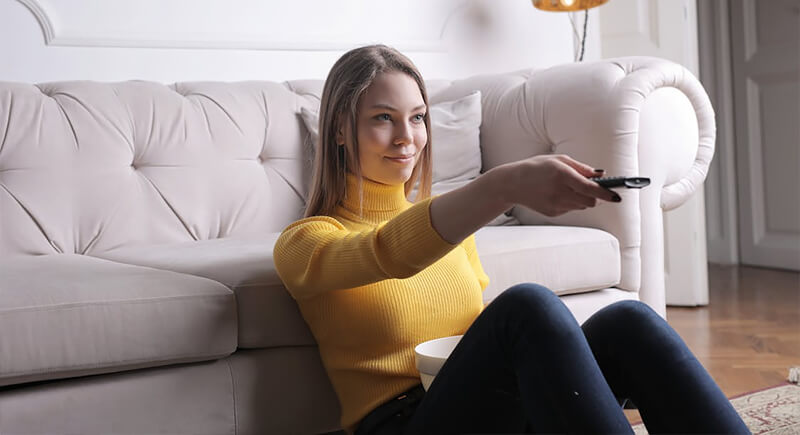
Reality television has influenced how some people imagine office fashion. Shows like Selling Sunset present workwear that prioritizes appearance over practicality. Etiquette experts caution that what works on screen often clashes with real workplace norms. The gap between entertainment and office reality adds to confusion.
Comfort Is Replacing Formal Footwear
Credit: pexels
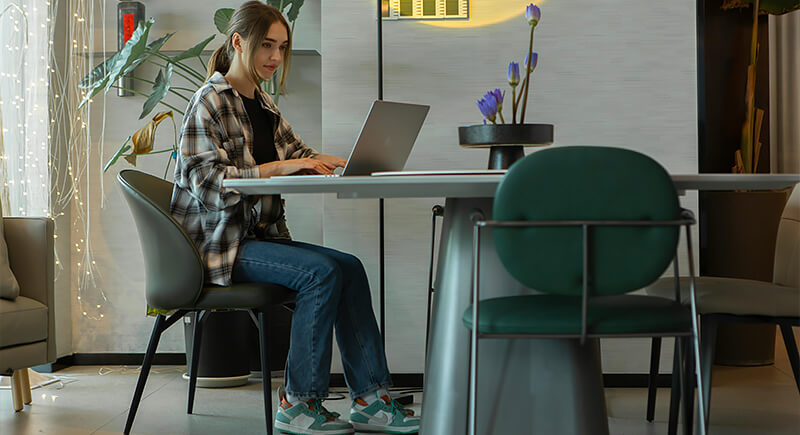
Office shoes have changed faster than most policies. Heels and rigid dress shoes appear less often, replaced by minimalist sneakers and flexible loafers. Many executives now prioritize comfort without sacrificing appearance. Subtle design and clean lines reflect a shift toward practicality after long workdays.
Accessories Offer Personal Expression
Credit: pexels
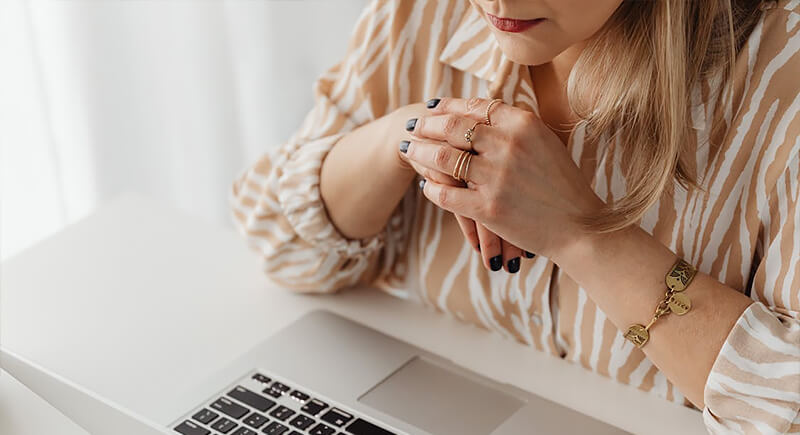
Individual style often shows up in smaller details. Jewelry, nail choices, and eyewear allow self-expression without pushing boundaries. Hairstylist Gregory Patterson calls these touches small acts of personal choice. They let people personalize neutral outfits while staying workplace-appropriate.
Different Generations Dress by Different Rules

Credit: pexels
Offices now include multiple generations with distinct style habits. Baby boomers often prefer traditional suits, millennials aim for balance, and Gen Z treats clothing as self-expression. Experts suggest dressing for company culture rather than age group. Shared understanding matters more than trends.