How Being Poor Ends Up Costing More in the Long Run
Poverty creates extra costs that aren’t always obvious. When money is tight, people often have fewer choices and less flexibility, which turns routine needs into bigger expenses. Over time, these limits add up and leave low-income households paying more for basic things that others manage at a lower cost.
Interest And Fees Stack Up Faster
Credit: iStockphoto
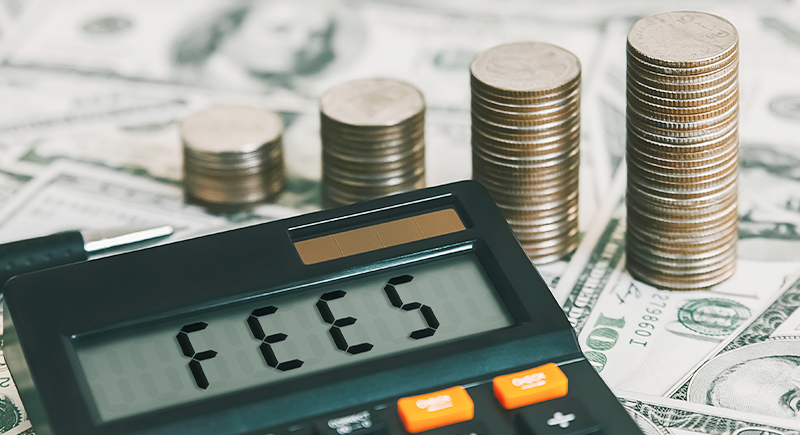
People who lack savings often begin with financial tools designed for those with very little financial leverage. Payday shops advertise quick help, yet Federal Reserve reports show that the annual rates attached to these loans reach levels few borrowers can absorb. The seemingly short fix often turns into months of expensive repayments.
Necessities Rise Faster Than Paychecks

Credit: iStockphoto
Anyone tracking prices notices that the basics jump more than anything else. Households already stretched thin respond by shifting costs around, cutting small pleasures first, then compromising on basic necessities.
Health Care Delays Turn Into Big Bills

Credit: Getty Images
The decision to postpone a checkup often begins with the concern that it will disrupt the week or the budget. It’s common for uninsured adults to fall behind on medical costs. However, when aches or coughs escalate into emergencies, the resulting bill is far larger than the cost of a routine appointment would have been.
Housing Costs Punish The Most Vulnerable
Credit: iStockphoto
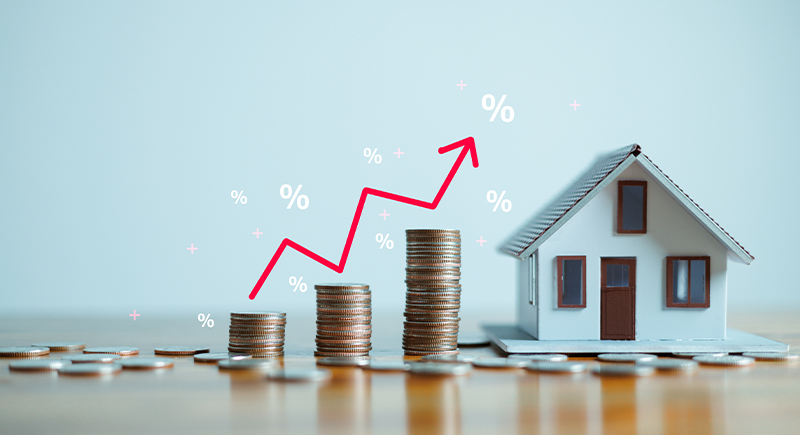
Finding a decent place to live becomes difficult when income is tight. Some rentals charge more per square foot than nearby mortgages. Families often move after sudden price increases. Each move consumes savings through deposits, repairs, and time spent packing, rather than earning.
The Time Tax On Daily Life

Credit: iStockphoto
Time slips away faster for people without easy access to conveniences. Long bus transfers eat into mornings. Paperwork requires in-person visits. A broken appliance means hunting down a working alternative across town. These delays can amount to hours that could be spent on more productive tasks or further education.
Cheap Stuff Costs More In The End

Credit: iStockphoto
Families with limited financial resources often purchase items they can afford immediately. These cheaper versions tend to wear out quickly and require repeat purchases. The “Boots Theory,” popular among budget writers and economists alike, captures this idea with simple math and a frustratingly familiar outcome.
Living In The Wrong Zip Code
Credit: Getty Images
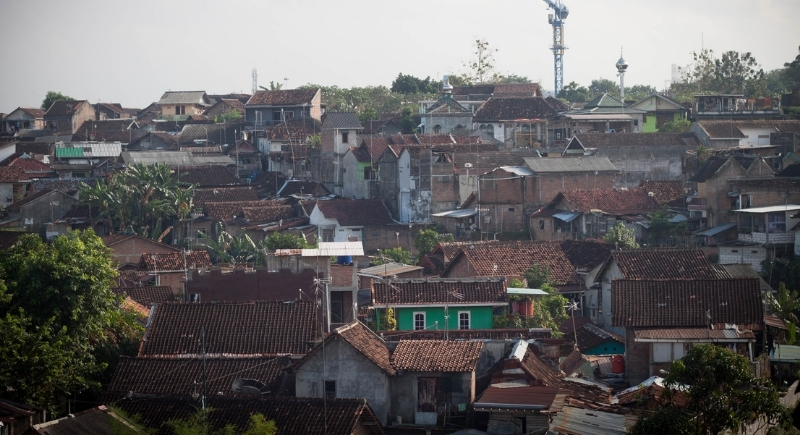
Some neighborhoods make daily life more challenging without being direct about it. Low-income areas lack access to full-service banks, forcing people to rely on payday lenders and other costly alternatives. When there’s limited transit and fewer healthy food options, the inexpensive rent often carries hidden costs that become apparent later.
Credit Scores Gatekeep The Good Deals
Credit: iStockphoto
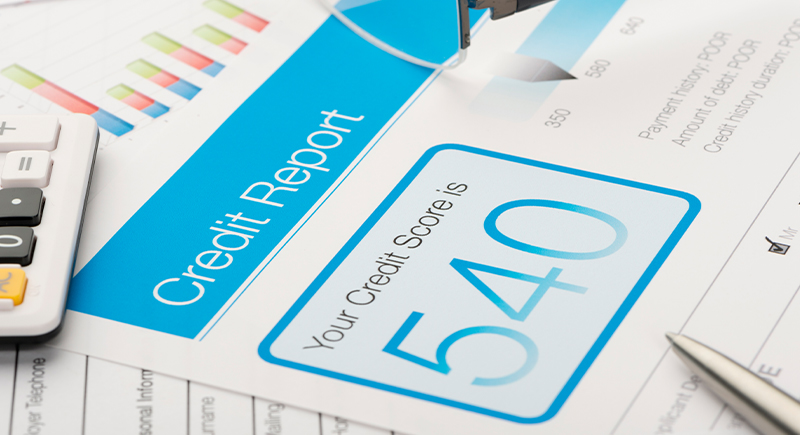
Old debts or inconsistent income can significantly impact a credit score for years. Lenders rely heavily on that number, and government reports show that lower scores often result in higher monthly payments for the same car or apartment. These steep terms shrink the room for planning for the future.
Benefits Cliffs Create Strange Incentives

Credit: Getty Images
A worker who finally earns a small raise might discover that the new paycheck crosses a line that removes support for healthcare or childcare. Policy analysts refer to this as a “benefits cliff.” The gain on the paycheck is often smaller than the assistance lost, which makes progress feel financially unsafe.
Stress And Mental Bandwidth Carry A Price

Credit: Canva
Scarcity affects thinking. Worry takes up space that could be used for planning ahead. Missed payments and rushed decisions follow, which lead to additional fees that exacerbate the original problem. The financial hit shows up alongside the fatigue that caused it.