10 Ways Fashion Labels Trick You Into Overpaying For The Same Exact Hoodie
A $200 hoodie and a $20 one often do the same job. They keep you warm, feel comfortable, and can even look similar in photos. The big price gap usually has less to do with how the hoodie is made and more to do with how it is presented.
A lot of what you are paying for comes from branding, positioning, and marketing. Once you start noticing those details, including where corners are cut in construction, the price difference becomes much easier to understand.
Synthetic Fabrics Passed Off As Premium
Credit: Canva
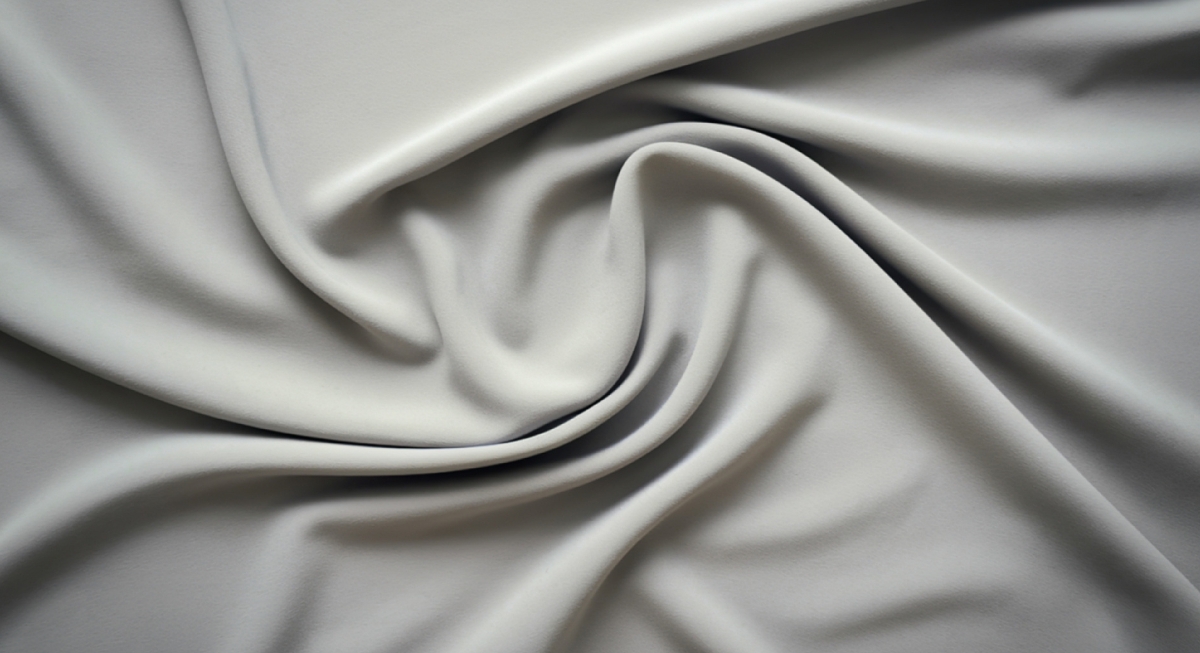
That soft hoodie often relies on polyester blends rather than cotton or wool because synthetics are cheaper to produce. These fabrics can look smooth and hold color well, yet they trap heat and reduce breathability. Lower-grade cotton is also common because it reduces costs.
Luxury Labels That Don’t Mean Much
Credit: Wikimedia Commons
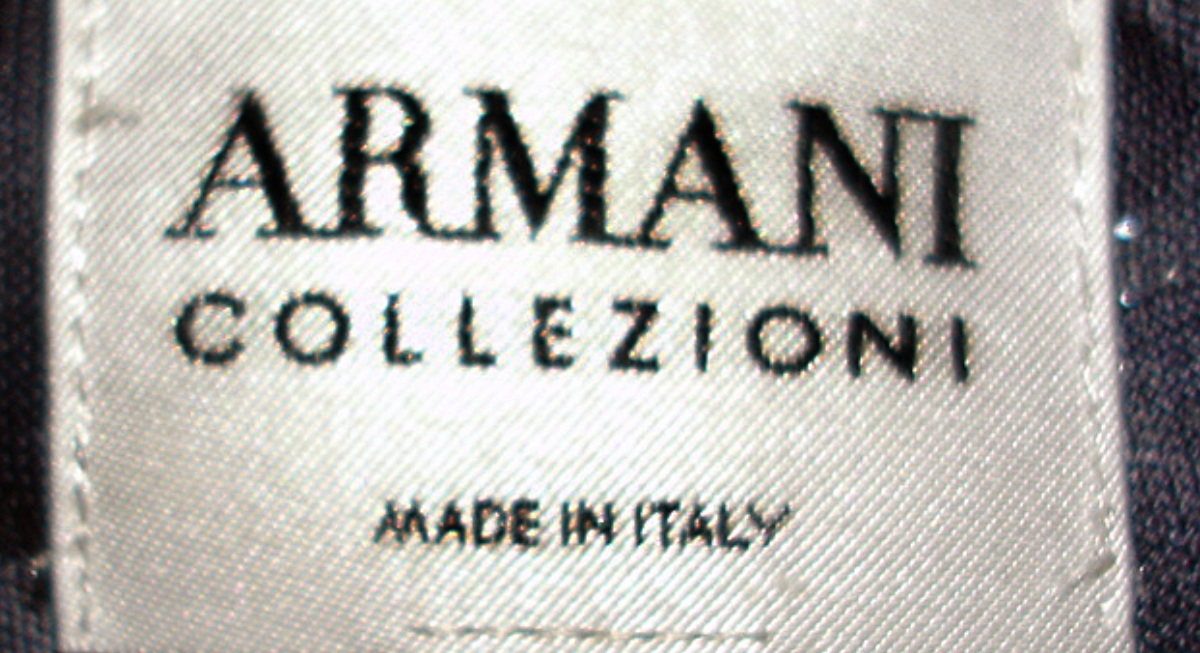
A “Made in Italy” label can apply even if only the final step happened there. Fabric sourcing and early construction often take place in other countries before finishing touches are added elsewhere. This allows brands to use the label legally.
Decorative Details That Hide Flaws
Credit: pexels
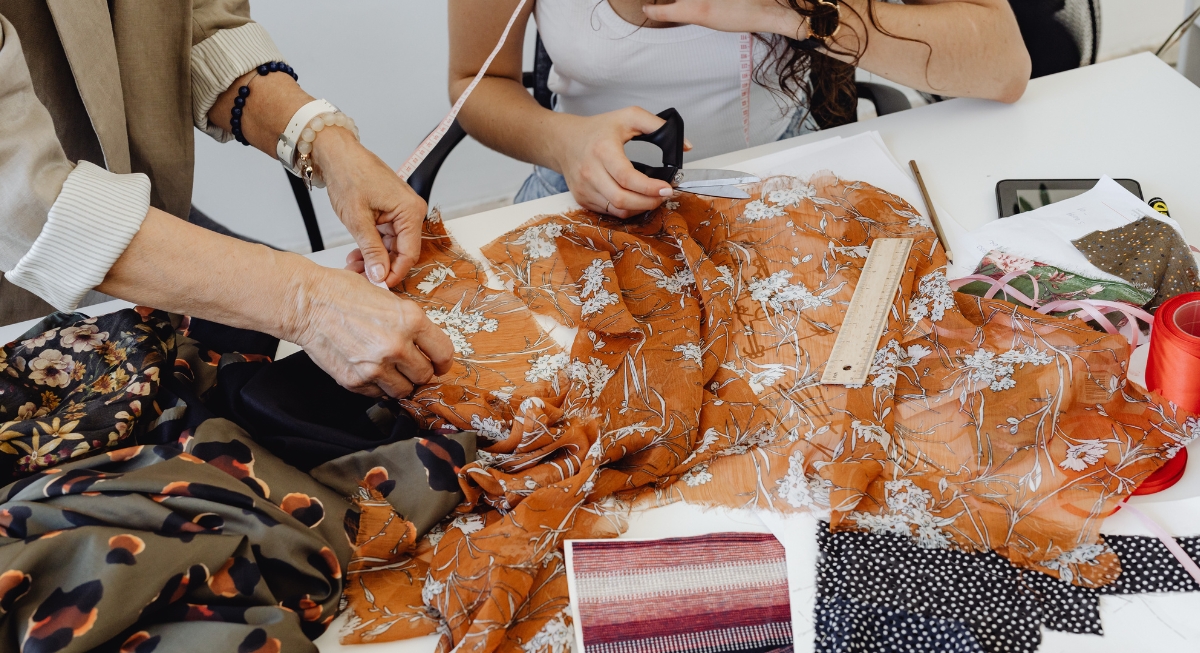
Studs, patches, and layered designs draw attention away from construction quality. Uneven seams or loose threads become harder to spot when the clothing looks busy. Simpler garments make flaws obvious, while detailed ones disguise them.
Leather And Material Upgrades That Aren’t Real
Credit: Canva
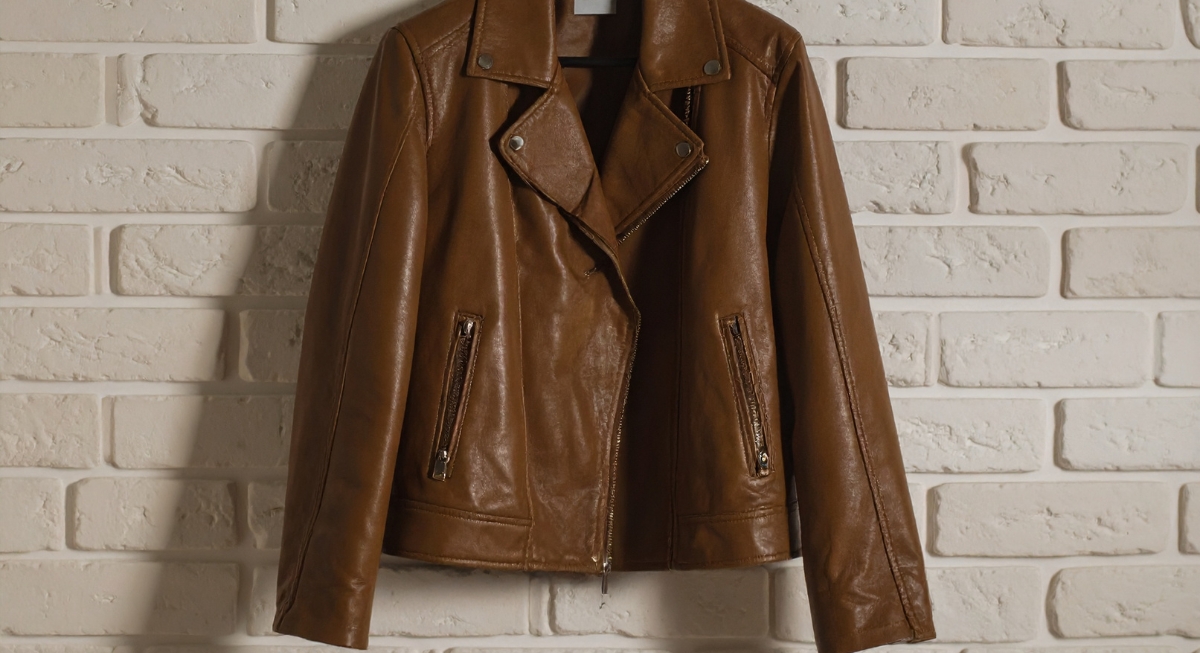
Some hoodies use split leather or coated materials made from the lower layers of the hide. These versions are thinner and less durable than full-grain leather. A surface coating is added to give a smoother, more premium look at first. Over time, that finish can start to crack or peel, revealing the lower quality underneath.
Cheap Materials Marketed As High-End
Credit: iStockphoto
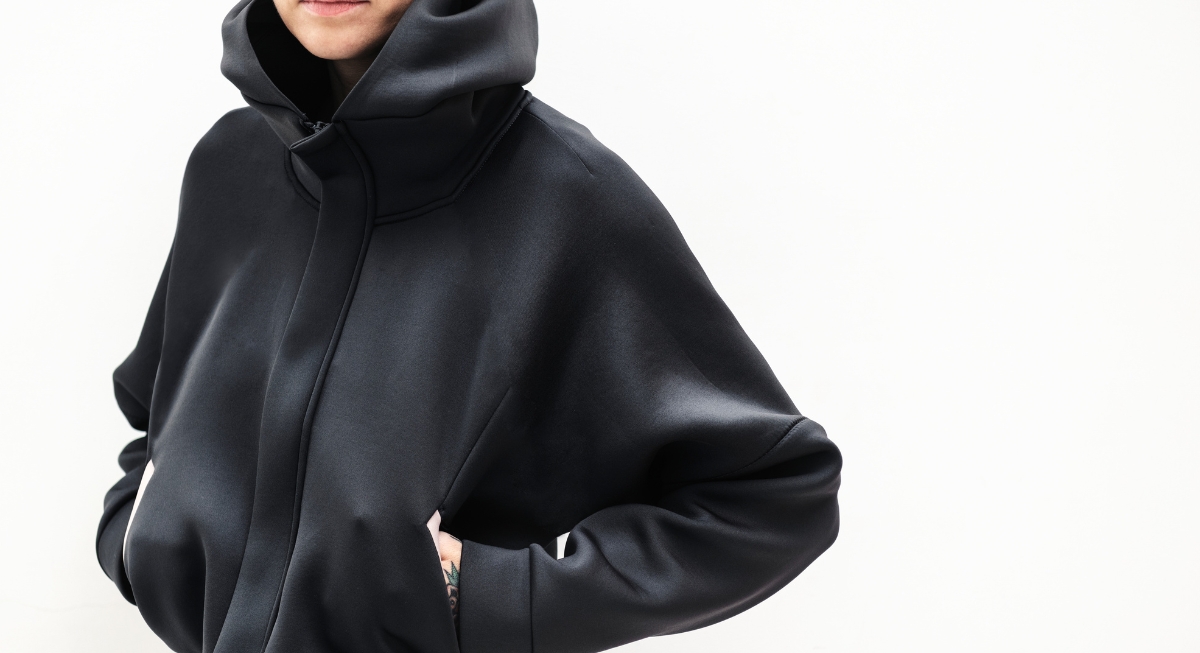
Neoprene is often presented as a premium fabric, even though it is made by bonding material to foam at a relatively low cost. It tends to wrinkle easily and does not hold up well with repeated washing. Despite these limitations, it is frequently priced higher because of its marketing rather than its actual performance.
Stretch Instead Of Proper Fit

Credit: pexels
To simplify production, stretch fabrics are used to allow one design to fit more body types. Tailoring requires more time and skill, so it raises costs. Using stretch replaces that process with flexibility. The hoodie fits a wider range of people, but the shape is often less precise.
Misaligned Prints Called Design Choices
Credit: pexels
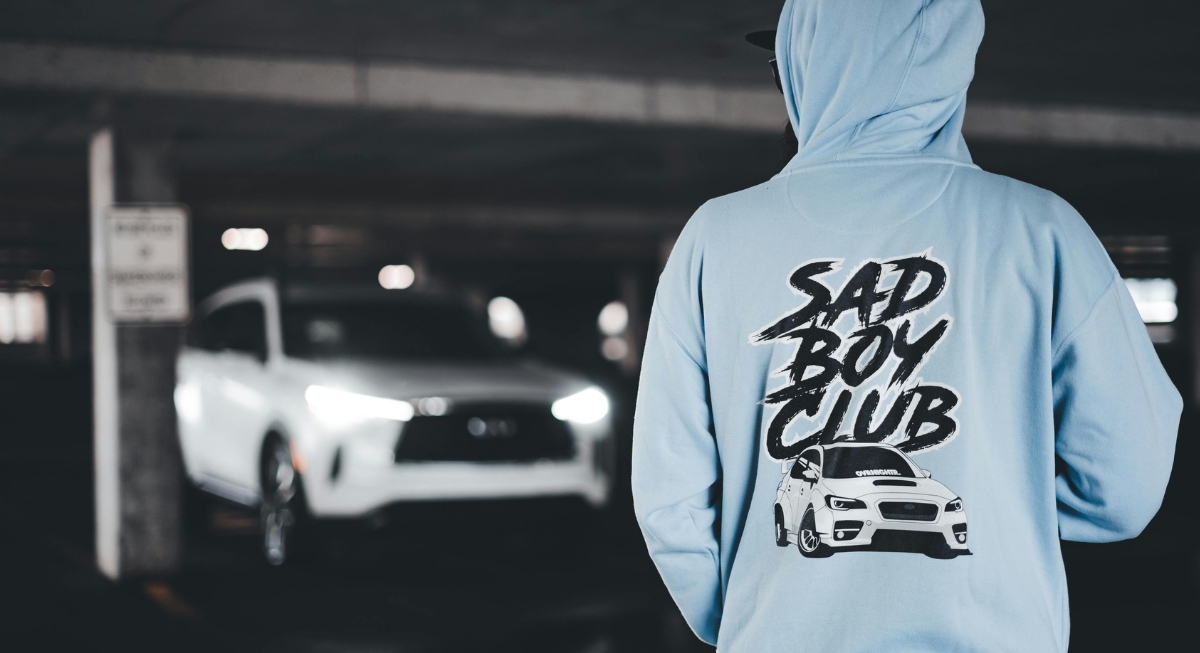
When patterns do not line up across seams, it usually comes down to saving time during production. Proper alignment requires careful cutting and leads to more fabric waste. Skipping that step lowers costs, so brands often frame the mismatch as a deliberate design choice.
Plastic And Coated Hardware
Credit: pixelshot
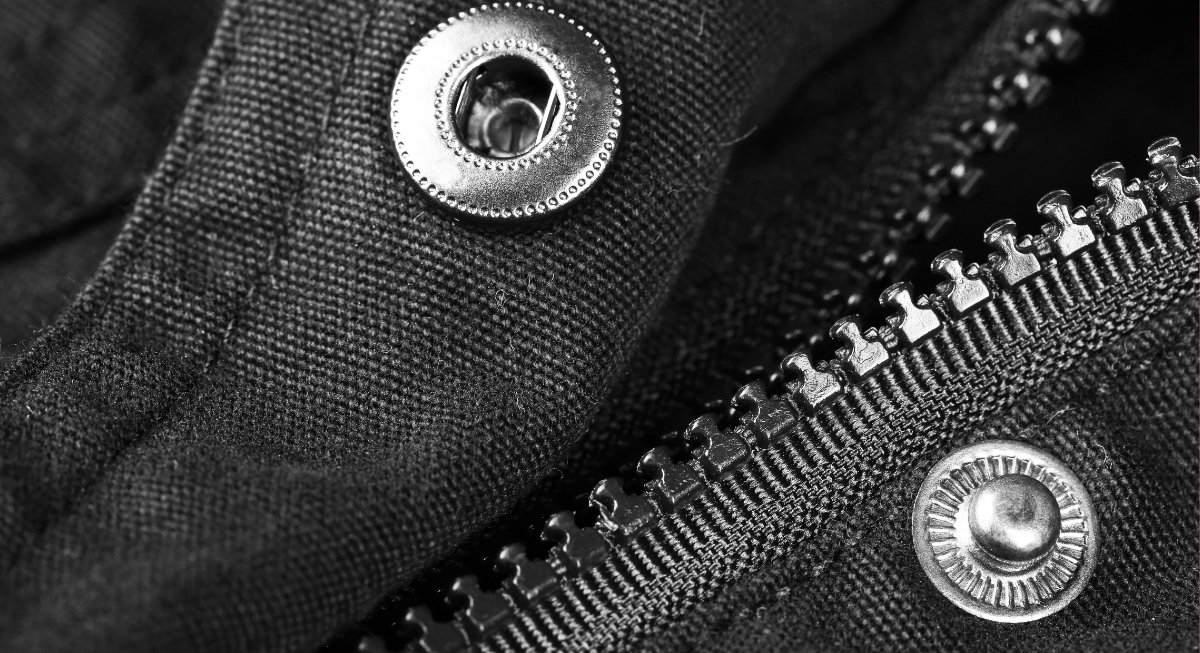
Zippers and buttons are often made from plastic or low-cost metals like zinc with a thin coating. That coating can imitate gold or silver but wears off with use. Lighter hardware reduces production costs. It looks polished at first, but does not hold up like solid metal components.
Glue Instead Of Stitching

Credit: Canva
Glue is sometimes used to assemble parts of a hoodie because it is faster than sewing or stitching, which provides a stronger bond. This reduces labor time and speeds up production. However, glued sections can weaken over time, especially after washing.
Brand Perception Drives The Price

Credit: Canva
Consumers pay for perception. A higher price often reflects brand value rather than material or construction differences. Two hoodies can look similar and perform the same function, yet one costs far more because of brand recognition.