10 Jobs With the Highest Death Rates
You might assume the most dangerous jobs belong to police officers chasing suspects or firefighters running into flames. In reality, some of the highest death rates are tied to everyday work like repairing utility lines or collecting trash. While most of us start our day with coffee and emails, people in these roles face serious risks each time they clock in, and getting home safely is never a given.
Logging Workers
Credit: Canva
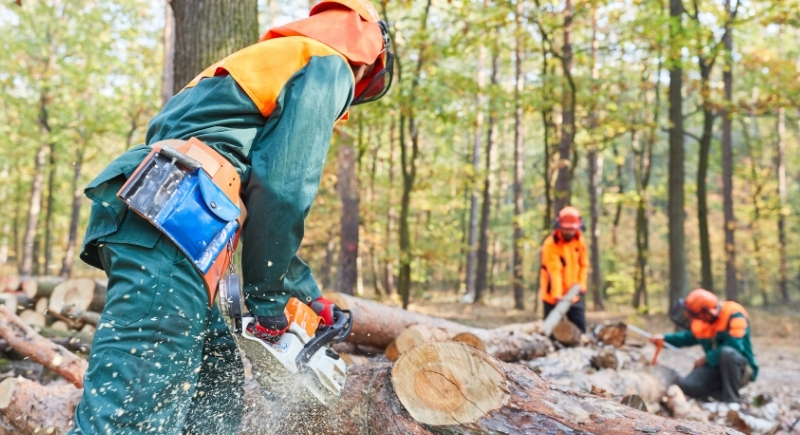
Deep forests hide the highest fatality rates in the American workforce. Chainsaws and heavy machinery create constant noise that makes it difficult to hear a branch snapping overhead. Statistics show that most deaths occur from being struck by falling timber or equipment during remote operations.
Commercial Fishing Workers

Credit: Canva
Working on a deck that never stays still, with freezing seawater crashing over your boots, is demanding on its own. Commercial fishing crews face a death rate of about 800 per one million workers. Heavy nets can catch a person and drag them overboard in seconds, and storms can overturn a boat with little warning. In those moments, survival often depends on a life vest and how quickly help can reach them.
Roofers
Credit: Canva
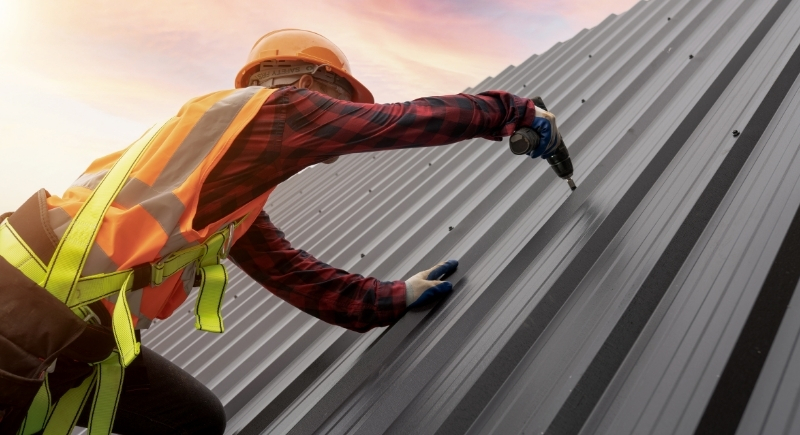
Gravity is a constant threat to anyone who makes a career out of working several feet above the sidewalk. Falls through skylights or off edges account for some deaths in this trade, especially when exhaustion sets in. One slight slip on a loose shingle can mean the end of one’s life and career.
Aircraft Pilots and Flight Engineers

Credit: pexels
Bush pilots and agricultural sprayers take on risks that most commercial airline captains never face. They fly at low altitudes, where engine trouble leaves only seconds to respond. Fog can hide power lines or rising terrain until it is too late to avoid a crash. Mechanical failures also contribute to fatalities each year. The work demands constant attention, and even small mistakes can have severe consequences.
Refuse and Recyclable Material Collectors
Credit: Canva
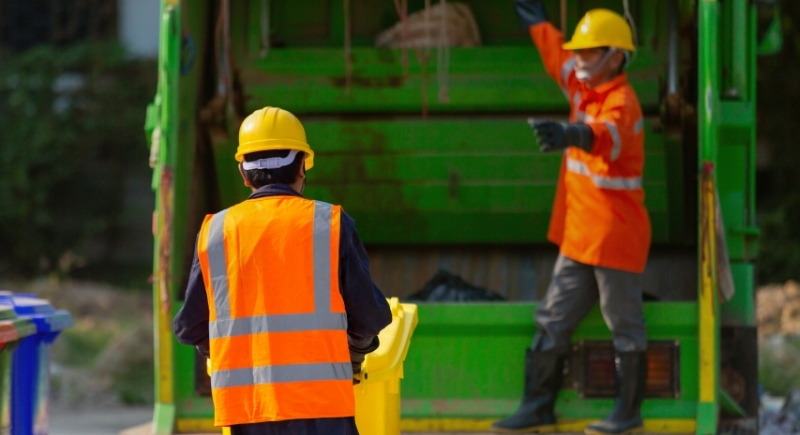
Most people barely notice the worker riding on the back of a garbage truck. Even in quiet neighborhoods, sanitation collectors face serious risks from drivers who speed past or glance at their phones instead of the road. The job also involves powerful compactors and heavy equipment that can cause severe injuries. Many shifts begin before sunrise, when low light and early traffic add another layer of danger.
Structural Iron and Steel Workers
Credit: Getty Images
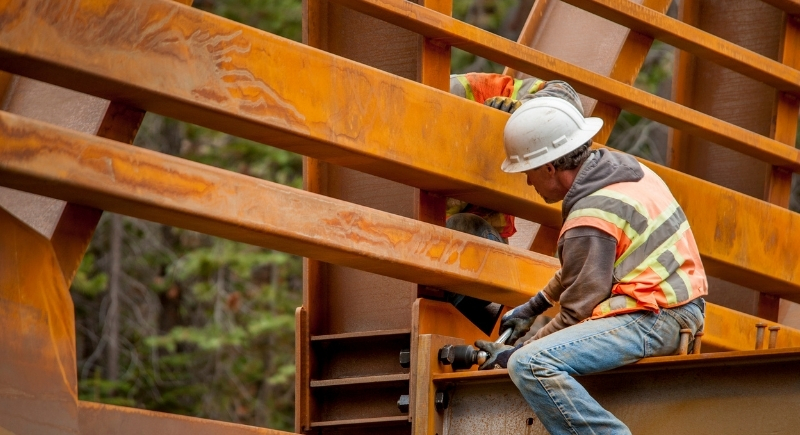
Ironworkers routinely work at extreme heights on narrow steel beams, secured by harnesses and safety lines. A sudden gust of wind or a misstep can lead to a fatal fall. Suspended girders and heavy materials also create crushing hazards, especially if communication breaks down during a lift. Most deaths in this field result from falls or from being struck by structural components during high-rise construction.
Driver Sales Workers and Truck Drivers
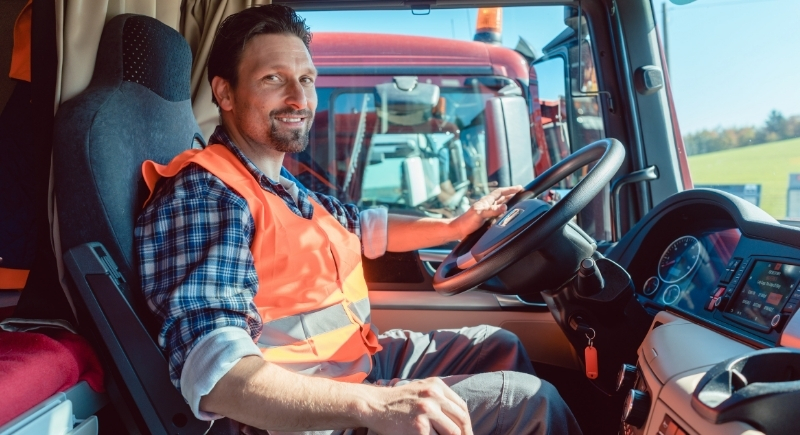
Credit: Canva
The clock is the biggest enemy for long-haulers crossing the country. Despite strong deterrents to overworking, some truckers drive for long consecutive hours, leading to a dangerous mental fog. Fatigue causes reaction times to plummet when a driver needs to navigate a sudden traffic jam. The accidents often turn deadly because of the sheer weight of a fully loaded trailer on the road.
Helpers in Construction Trades
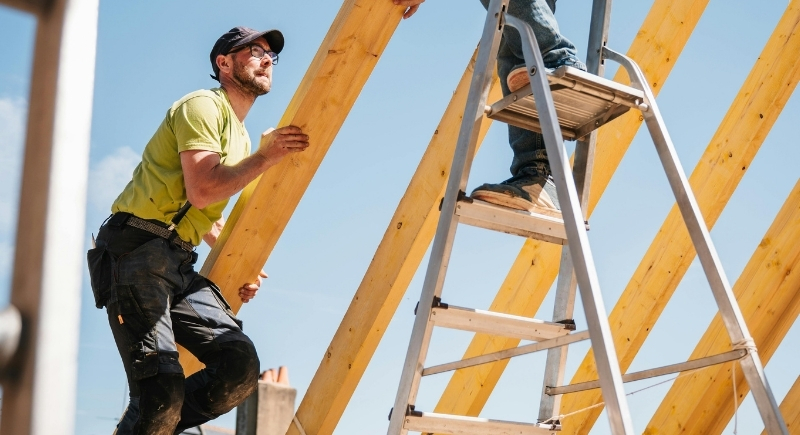
Credit: pexels
These workers take on physically demanding tasks that keep job sites moving. Their day can involve working inside deep trenches that may collapse without warning. They also clear debris and materials that can fall from higher levels. Because they move throughout the site and assist with many tasks, they face exposure to nearly every major construction hazard.
Agricultural Managers and Farmers
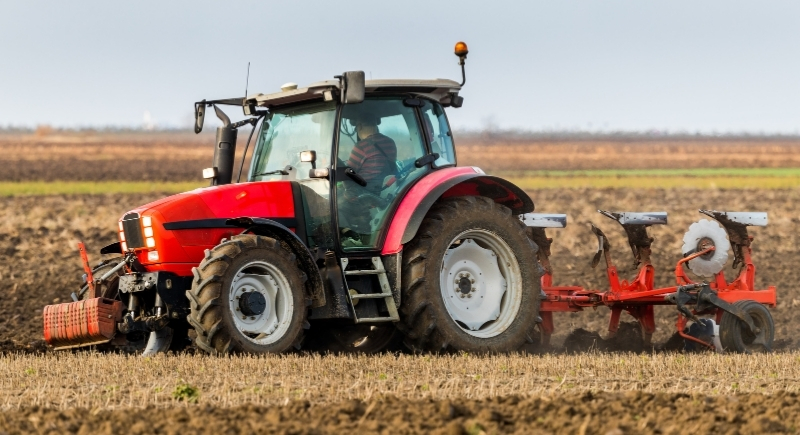
Credit: Getty Images
Tractor accidents remain the leading cause of death among people who manage American farms. As trusty as these machines can seem, they sometimes flip backward on a steep hill, trapping the driver beneath the frame. Grain silos also act as deadly traps where a person can sink and suffocate in minutes. Long harvest days create the kind of tiredness that can lead to fatal errors.
Electrical Power Line Installers
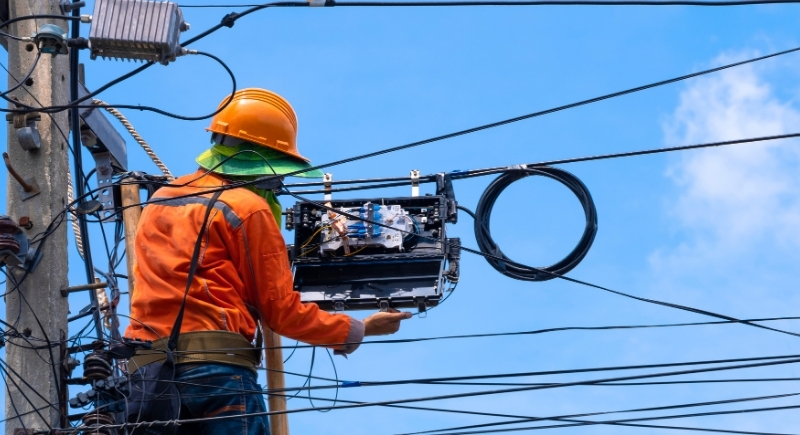
Credit: Canva
Working with tens of thousands of volts while suspended in a bucket truck is the ultimate high-stakes profession. A single pinhole in a rubber glove allows electricity to jump through the worker’s body. Most fatalities occur during emergency repairs after hurricanes or ice storms, when conditions are least stable. These technicians face the dual threat of falling from extreme heights and instant electrocution while trying to restore a city’s power.