10 Value Grocery Items That Are Total Rip-Offs
Some items in the grocery aisle seem like good buys until you get home and look at the receipt. Stores are very good at dressing up everyday products so they appear premium or extra convenient, and it works more often than we realize. When you pause and look closely, a handful of common items quietly drain your budget without offering anything special in return.
Pre-Cut Produce
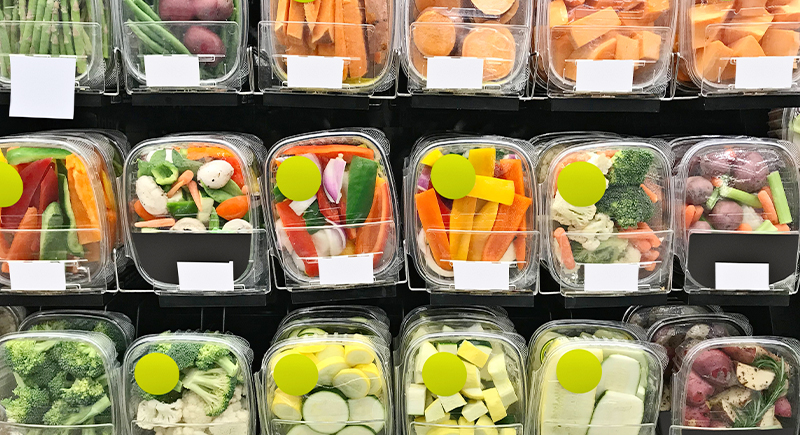
Credit: iStockphoto
Pre-cut produce looks tempting when you’re trying to save time, but it rarely holds up the way whole fruits and vegetables do. The pieces start to soften or change color long before you even open the container, and the flavor doesn’t stay sharp for long. Many shoppers find that chopped pineapple or sliced peppers lose their texture much faster once they’re packed in plastic.
Name-Brand Cereal
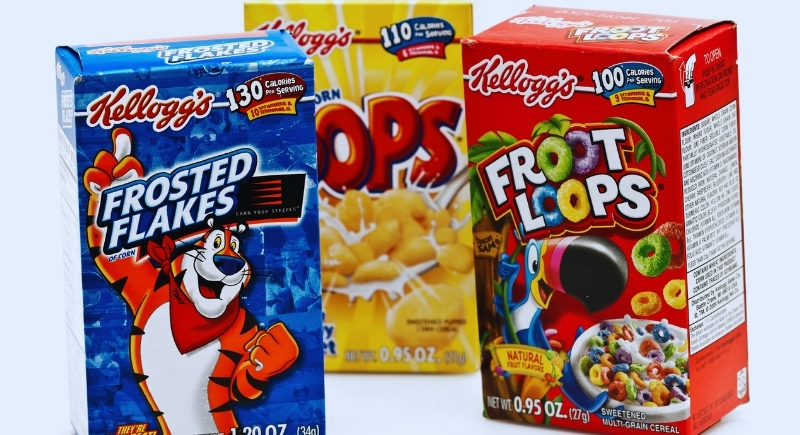
Credit: iStockphoto
Name-brand cereal gets a lot of attention because the boxes come packed with bright colors, childhood mascots, and playful designs. Once you pour it into a bowl, the charm fades, and the taste often feels familiar. Many store versions match the crunch and flavor closely enough that people struggle to tell them apart during casual taste tests at home.
Over-The-Counter Medications

Credit: Getty Images
Many over-the-counter medications use the same active ingredients across brands, yet the prices rarely match. A brand-name pain reliever might cost around $13, while the generic version beside it sells for less than $5 and follows the same FDA standards. Buying larger bottles at warehouse stores can bring the price per tablet down even more.
Bagged Salad Mixes
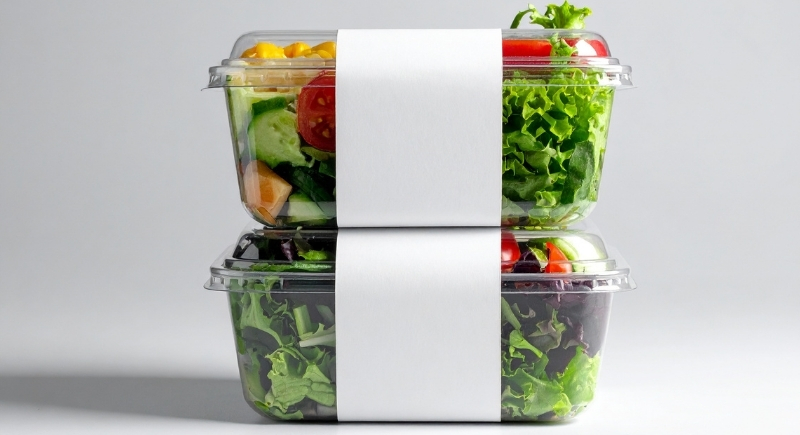
Credit: Canva
It is easy to reach for a bagged salad mix when you want something quick, but the greens inside lose their freshness fast. The moisture sealed in the bag speeds up wilting and often leaves soggy pieces collecting at the bottom. Whole heads of lettuce stay crisp much longer and give you better texture without the frustration of throwing away half the bag.
Microwave Popcorn

Credit: Canva
Many shoppers are surprised by how little popcorn actually comes in those microwave packets. The price per serving ends up high for what is basically a small handful of kernels, and the added oils or coatings can make the texture inconsistent. A simple bag of loose kernels lasts much longer and lets you flavor your popcorn however you prefer.
Snack Packs
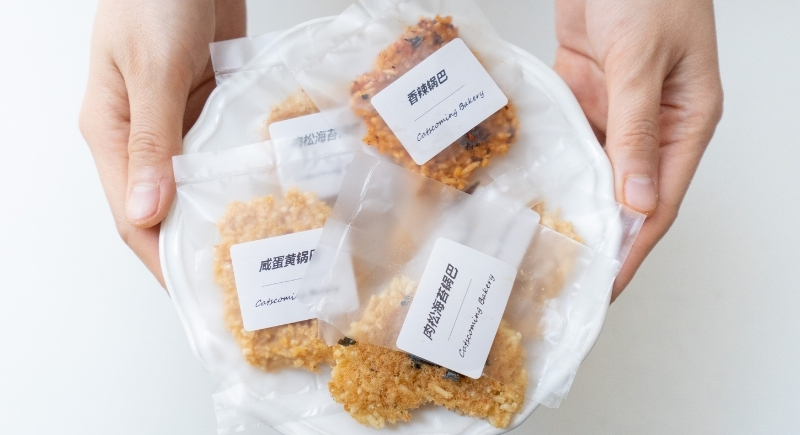
Credit: pexels
The small sleeves of cookies or crackers feel convenient at first glance, yet their price per ounce climbs far higher than the standard box. All the extra wrapping creates more waste and takes up space for no real benefit. Buying the full-size package and dividing it into small portions at home delivers the same ease without the inflated cost.
Bottled Water
Credit: Canva
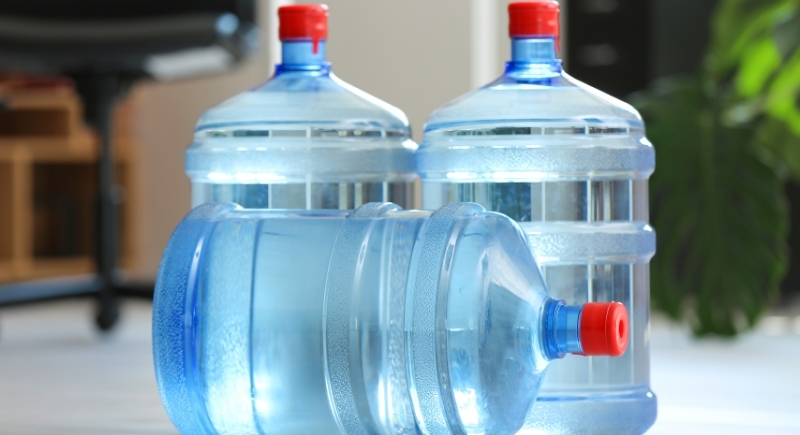
A gallon of bottled water often costs hundreds of times more than tap water. Municipal supplies in many cities meet federal safety standards and taste fine once filtered. Reusable bottles help cut recurring costs and reduce plastic waste. Travelers may rely on bottles, but daily home use drains budgets quickly.
Bubble Bath
Credit: pexels
Grocery aisles often stock bubble bath at higher prices than big-box retailers. The same bottle that rings up at $7 near the shampoo section may sit closer to $5 elsewhere. Sales and loyalty programs outside the supermarket usually beat in-store deals, turning that relaxing soak into a quiet reminder of retail markup.
Frozen Dinners
Credit: iStockphoto
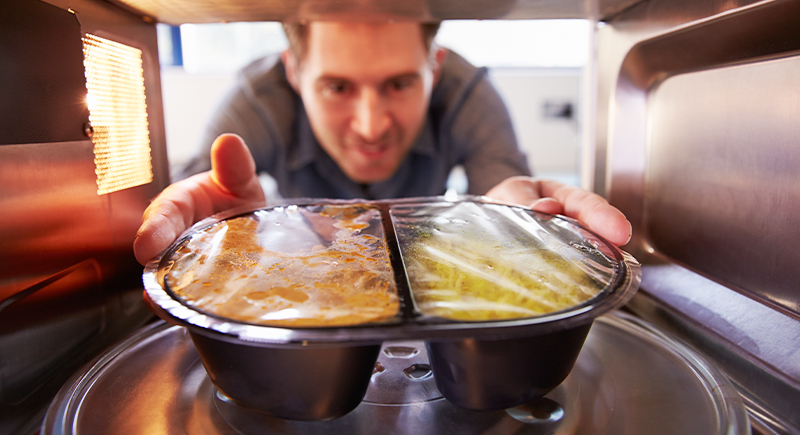
Heat-and-eat meals offer quick relief on busy nights, yet a single entrée priced around $5 rarely provides much food. Cooking a larger batch once and freezing portions creates multiple servings for a similar cost. Homemade versions also allow control over ingredients without the premium attached to convenience packaging.
Seasonal Non-Food Items

Credit: pexels
Pool floats, holiday décor, and patio accessories near checkout lines often carry inflated prices. Grocery stores treat these items as impulse buys, leading to higher markups and lower durability. Specialty retailers and off-season sales usually offer sturdier versions at comparable costs, reducing the chance of a quick replacement.