10 Reasons Everyone is Trading Their Extra Cash for Designer Perfume Right Now
Fragrance has taken on a different place in how extra money gets spent. It is no longer just an occasional add-on. It now competes with other small indulgences, offering a designer experience in something used every day. As spending leans toward smaller, repeatable luxuries, perfume has become one of the most reliable choices.
It’s the Most Accessible Form of Designer Luxury

Credit: Canva
For many, a designer fragrance is the most realistic entry point into a luxury house. While a $3,000 bag requires planning and commitment, a bottle of perfume delivers the same branding, packaging, and identity immediately. That difference matters. It gives buyers a way to engage with high-end labels without stretching their finances or delaying the purchase.
It Delivers Immediate Personal Payoff

Credit: Canva
The impact of fragrance is felt as soon as it’s worn. Because scent is tied closely to memory and mood, the effect shows up in the moment. That immediacy shapes how the purchase is perceived, making it easier to justify spending when the return is both personal and immediate.
It Fits Easily Into Everyday Spending
Credit: Getty Images
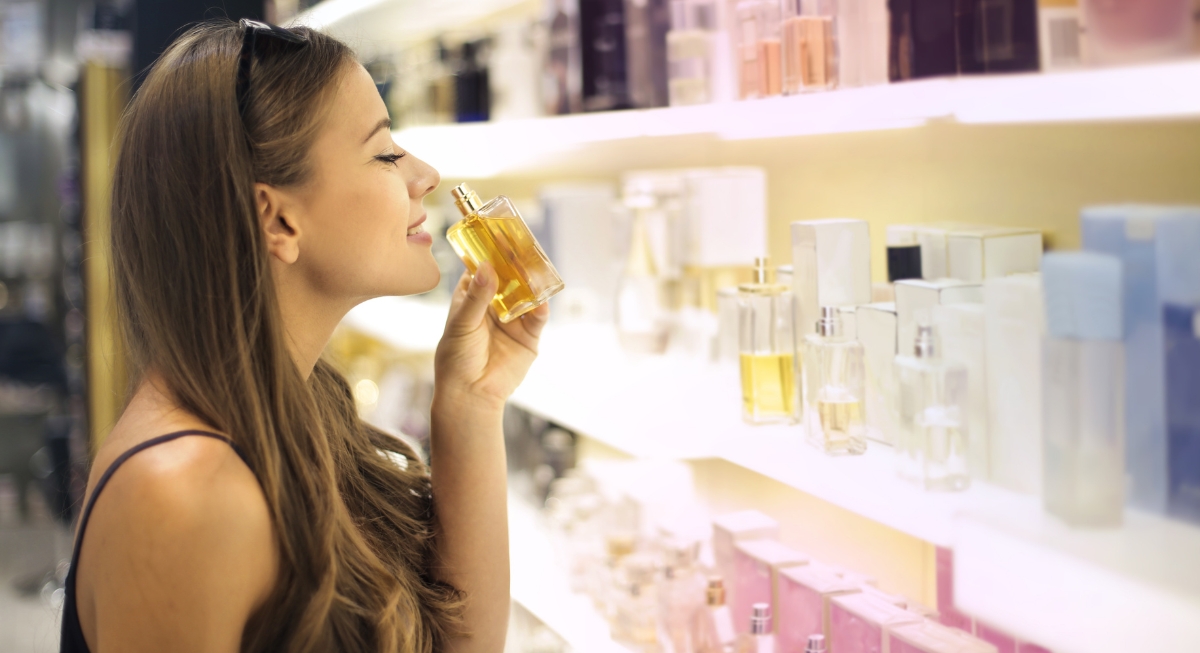
Perfume aligns naturally with how people already spend on themselves. It doesn’t require long-term planning or a major financial decision, which makes it easier to pick up without hesitation. Because it fits into routine spending patterns, it becomes a consistent choice when people are deciding how to use extra cash.
It Naturally Leads to Repeat Buying

Credit: Getty Images
Fragrance is part of regular-use items, so bottles empty over time, and that creates a built-in return to the category. Some buyers replace what they already use; others take the opportunity to explore something new. In both cases, the spending cycle continues without needing a separate trigger.
People Are Buying Multiple Bottles Instead of One
Credit: Canva
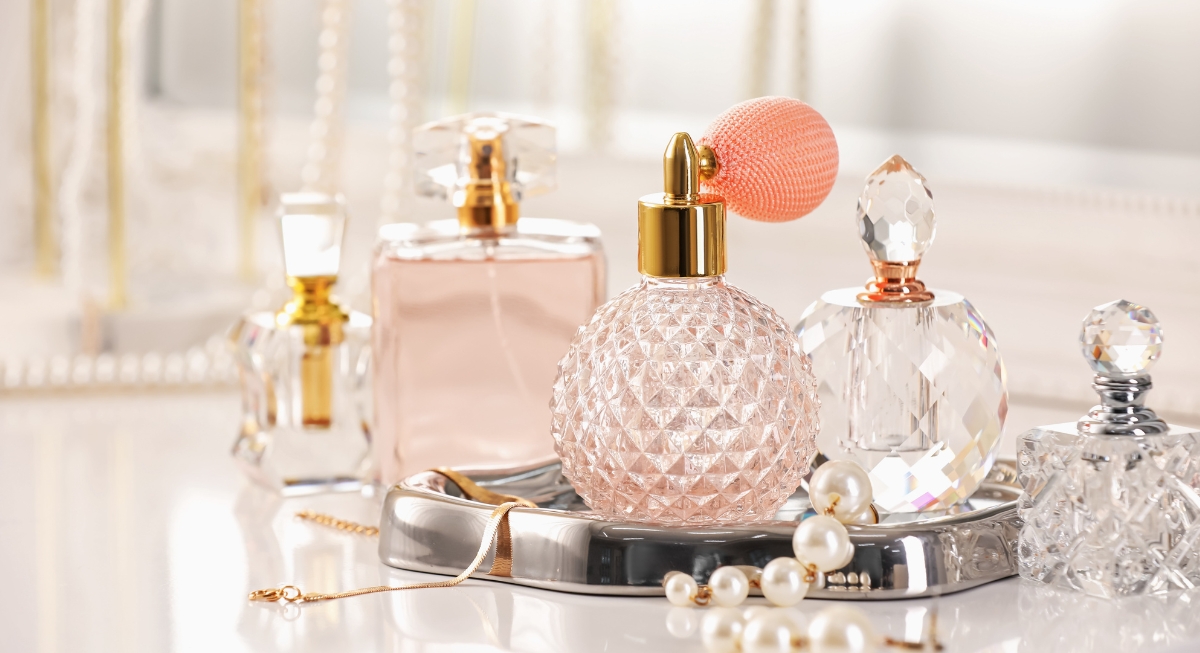
The era of relying on a single scent is fading. In its place is a rotation of fragrances chosen depending on mood, setting, or time of day. This shift changes how people buy. Instead of replacing one bottle occasionally, they add to a growing collection, increasing both frequency and overall spending.
Buying Without Testing Has Become Normal
Credit: Getty Images
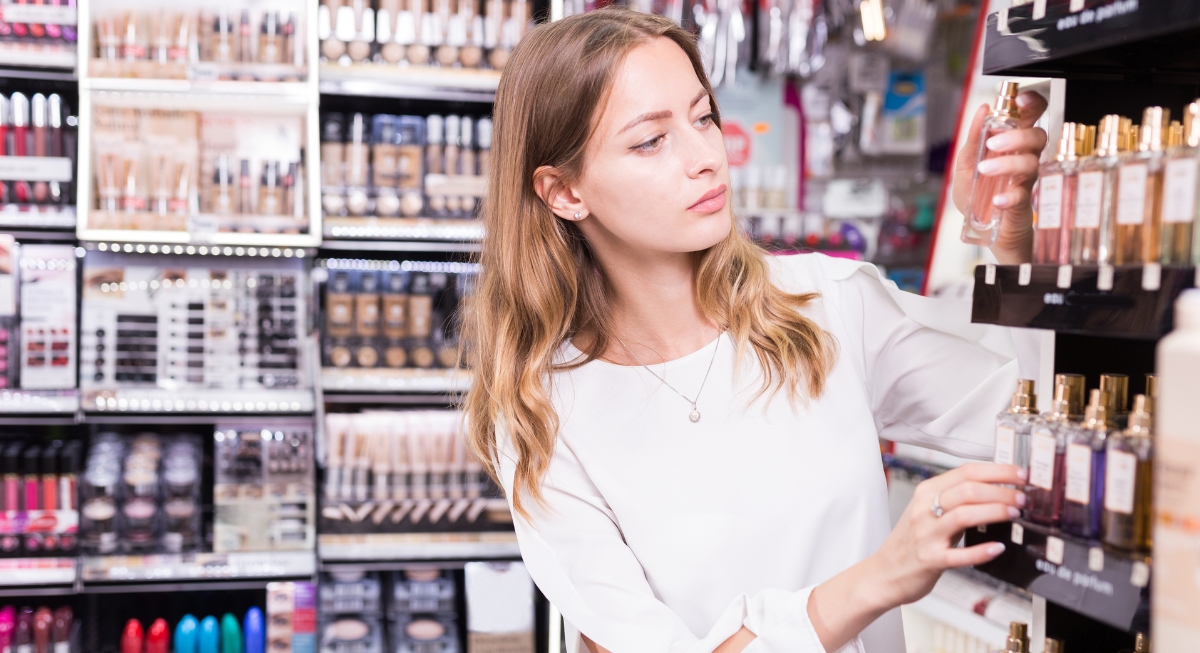
The process has shifted from physical testing to informed decision-making. Detailed reviews, comparisons, and shared experiences provide enough context for buyers to feel confident before purchasing. With that information in place, the need for in-store sampling fades, and the path from interest to purchase becomes much shorter.
Social Media Has Turned Perfume Into a Visual Product
Credit: Canva
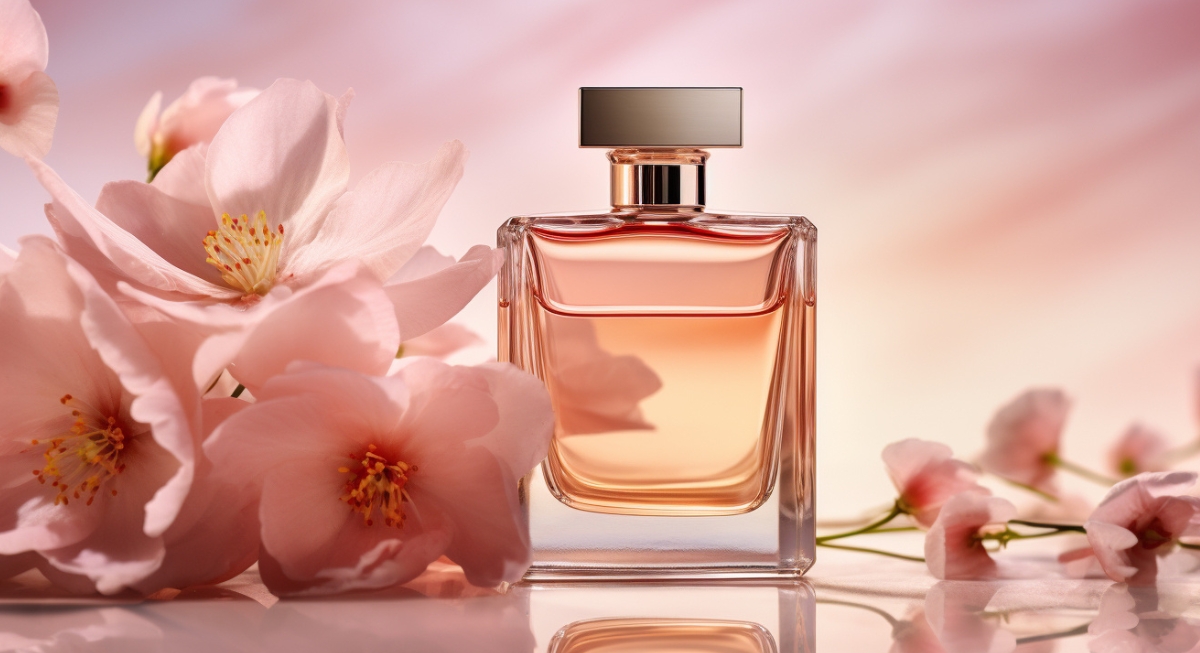
Perfume now circulates as a visual experience. Through curated displays, close-up bottle shots, and review content, buyers engage with a product long before they encounter it in person. This visibility builds recognition quickly, and that familiarity often translates into direct demand once the product becomes available.
Limited Releases Push People to Act Quickly
Credit: Getty Images
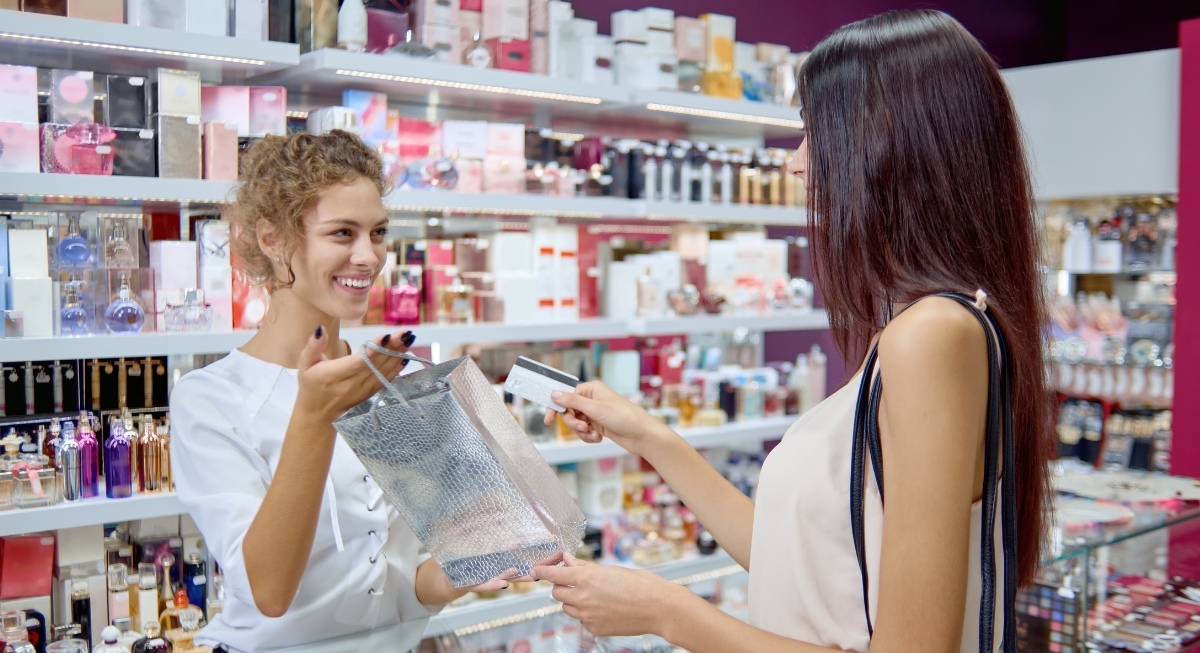
Timing now plays a larger role in purchasing decisions. Limited editions and controlled releases introduce a sense of urgency that changes how buyers respond. Instead of delaying, they move faster, knowing availability is tied to a narrow window. That shift pulls spending forward and reduces hesitation.
It Remains One of the Safest Designer Gifts
Credit: Canva
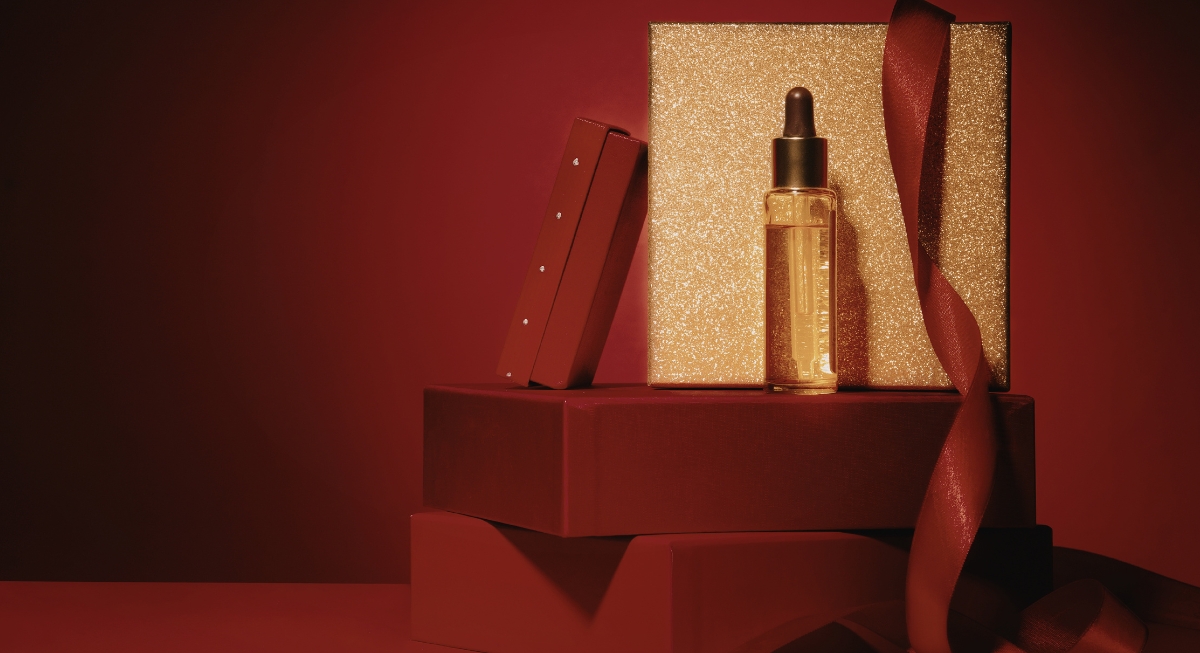
Perfume holds a steady place in gifting because it balances recognition with flexibility. It carries the weight of a designer label while avoiding the complications tied to sizing or exact preferences. That reliability keeps it relevant across different occasions and ensures it remains a consistent category for spending.
Fragrance Has Become Part of Personal Identity Signaling

Credit: Canva
Designer perfume now plays a role in how people present themselves to others. Certain scents are associated with specific aesthetics, lifestyles, or social circles, and wearing them conveys those signals without saying anything directly. That layer of meaning gives buyers another reason to spend, since the product functions as a form of self-expression that others can recognize and interpret.