10 Household Appliances That Are Secretly Raising Your Monthly Bills
Opening the monthly electricity bill can make anyone pause and wonder where all that power went. Much of it comes from ordinary household items that keep running in the background. Energy experts say these everyday devices often push up bills, though a few smart tweaks can quickly bring them down today.
Thermostats

Credit: Getty Images
Ever notice your heating or cooling running longer than it should? The thermostat’s location might be the reason. When it sits near sunlight, vents, or appliances, the sensor can get a false reading of the room’s temperature. That causes the HVAC system to run more than necessary. Moving the thermostat to a better spot or switching to a programmable one can help reduce unnecessary energy use.
Televisions

Credit: pexels
After you turn the screen off at night, the television still keeps using a little electricity. Most modern TVs stay in standby mode, so the remote works instantly, and small indicator lights remain on. This ongoing draw is often called phantom energy. Plugging the TV into a smart power strip can automatically shut off the leftover power use and prevent the extra electricity drain.
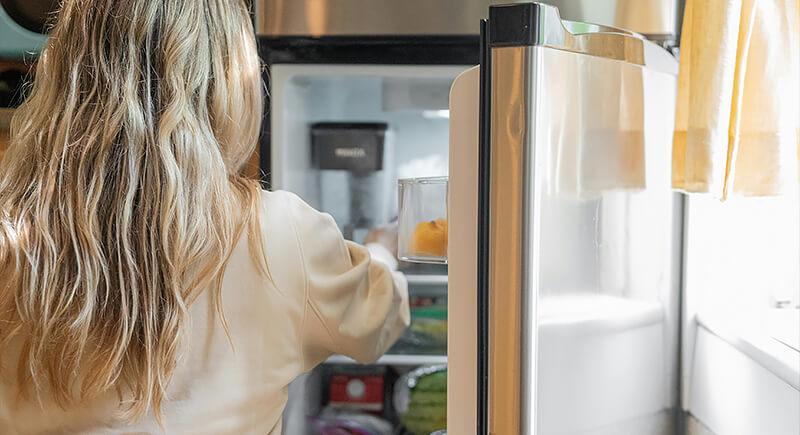
Old Refrigerators
Credit: pexels
Retiring an outdated fridge can instantly reduce both electricity demand and the monthly bill. That’s because refrigerators older than 15 years often lose efficiency as insulation weakens and compressors struggle. Energy specialists estimate that aging models can consume around 1,000 kilowatt-hours per year, which can cost about $150 depending on rates.
Phone Chargers
Credit: Canva
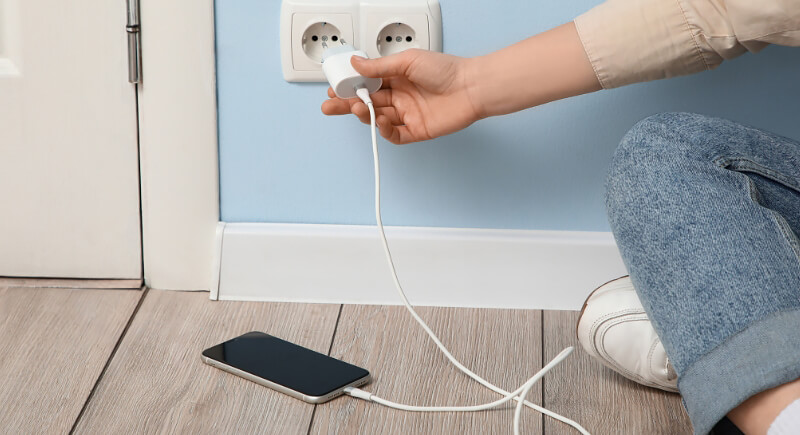
Tiny chargers create a surprising trickle of electricity use. The adapter inside every charger keeps converting power as long as it stays plugged into the wall. One charger barely affects a bill, although several scattered through bedrooms and kitchens quietly add up. Pulling them from outlets after use removes that steady drain and saves energy effortlessly at home each day, too.
Streaming Devices
Credit: Wikimedia Commons
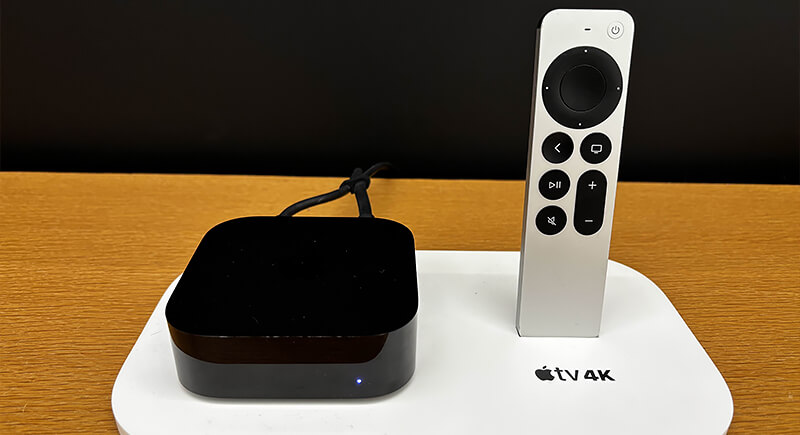
A streaming stick can remain active for a long time after the TV is turned off. These compact devices maintain an internet connection so apps open quickly and videos start without buffering. Because of that constant link, they continue to extract electricity throughout the day. Many models also refresh app data in the background to keep menus and recommendations up to date.
Game Consoles

Credit: pexels
Newer consoles include “rest mode” features that keep internal components running, and some can draw 10 to 15 watts in standby mode. There are also gaming systems that remain partially powered, with updates downloading and starting up instantly. That background activity places these consoles among the most common sources of phantom energy in entertainment centers.
Microwaves
Credit: Getty Images
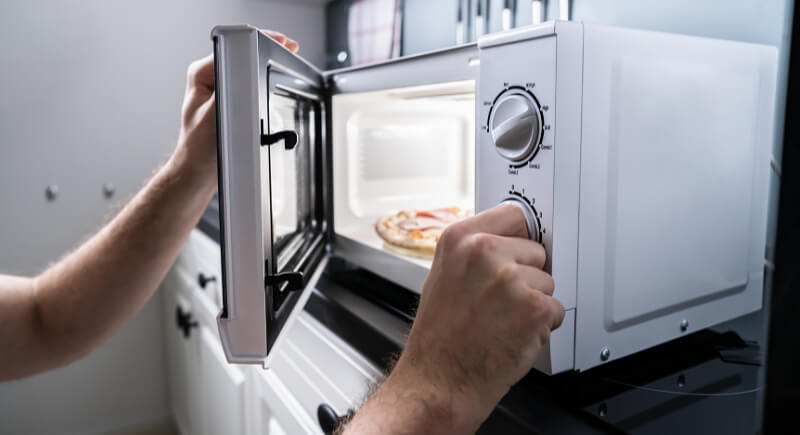
Look closely at the microwave, and the glowing clock tells a story. That digital display stays powered around the clock, even when there are no leftovers in the appliance. The electronics powering the timer consume electricity year-round. Unplug the microwave during vacations or long breaks, and you remove that small yet constant load from your household’s yearly electricity use.
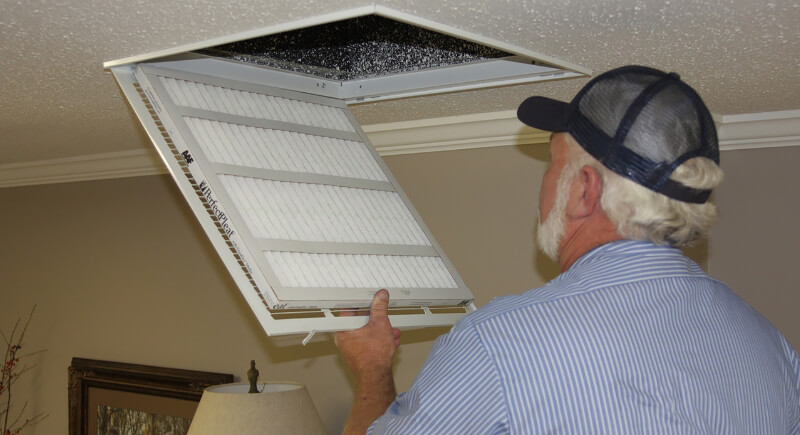
HVAC Air Filters
Credit: pixabay
Replacing filters every one to three months helps equipment run efficiently again and reduces electricity demand inside homes today. A dusty air filter can quietly inflate the power bill. When debris clogs the filter, airflow drops, and the HVAC system works harder to move air through ducts. Energy specialists estimate dirty filters can increase energy use by 10% to 20%.
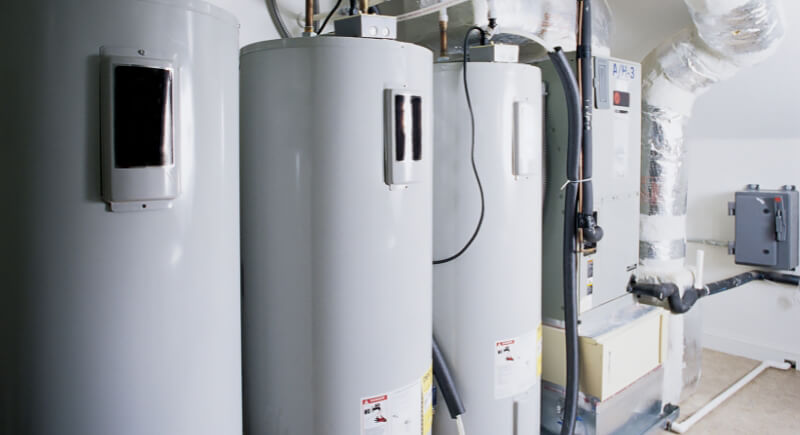
Water Heaters
Credit: Photo Images
Traditional tank heaters keep water heated throughout the day, so it stays ready for showers and dishes. Higher temperature settings force the system to reheat more often. Energy experts recommend setting the thermostat to 120°F to lower electricity use and reduce the risk of scalding in many households.
Coffee Makers

Credit: pexels
Morning routines hide a small electrical habit: coffee makers with digital clocks stay energized, so the timer remembers when to begin brewing. Those glowing displays run all day, although the machine sits idle for hours. Plugging the coffee maker into a switchable power strip stops that background draw after breakfast every day at home, saving electricity quietly over time, too.